
From Hardik Pandya Trade Rumours to Australia's Test Rebuild: A Podcast Examines Cricket's Changing Landscape
Core answer: पॉडकास्ट में ऑस्ट्रेलिया के टेस्ट पुनर्निर्माण और स्टीव स्मिथ के भविष्य, मुंबई इंडियंस के साथ हार्दिक पांड्या की ट्रेड और कप्तानी संबंधी अटकलों, नाइजीरिया में क्रिकेट के विकास तथा जेम्स एंडरसन और ल्यूक सटन की नेपोली नाइट्स सह-मालिकाना व्यवस्था पर चर्चा की गई है। Key facts: - पीटर लॉलर ने ऑस्ट्रेलिया की टेस्ट टीम और स्टीव स्मिथ के भविष्य पर चिंताएं उठाईं। - निखिल नाज ने हार्दिक पांड्या और मुंबई इंडियंस से जुड़ी ट्रेड तथा कप्तानी की अटकलों पर चर्चा की। - एपिसोड में नाइजीरियाई क्रिकेट के उभार को भी शामिल किया गया। - ल्यूक सटन ने जेम्स एंडरसन के साथ नेपोली नाइट्स की सह-मालिकाना व्यवस्था पर बात की। - आईपीएल 2025 मेगा ऑक्शन में ऋषभ पंत 27 करोड़ रुपये और श्रेयस अय्यर 26.75 करोड़ रुपये में बिके; कुल पर्स 120 करोड़ रुपये था। Source attribution: उपलब्ध पॉडकास्ट विश्लेषण (प्रकाशन तिथि और मूल एपिसोड लिंक उपलब्ध नहीं); आईपीएल नीलामी के आंकड़े उपलब्ध विश्लेषण में दिए गए हैं। CricSultan cross-check की पुष्टि उपलब्ध नहीं है। Related Q&A: Q: क्या हार्दिक पांड्या का मुंबई इंडियंस से ट्रेड होना निश्चित है? A: उपलब्ध जानकारी में किसी आधिकारिक ट्रेड या समझौते की पुष्टि नहीं है। Q: क्या स्टीव स्मिथ ने टेस्ट क्रिकेट से संन्यास की घोषणा की है? A: उपलब्ध पॉडकास्ट विवरण में किसी आधिकारिक संन्यास की घोषणा का उल्लेख नहीं है। Q: नेपोली नाइट्स के सह-मालिक कौन हैं? A: उपलब्ध जानकारी के अनुसार ल्यूक सटन और जेम्स एंडरसन इस सह-मालिकाना व्यवस्था में शामिल हैं।
Cricket can no longer be understood through scorecards alone. A player's future may depend on a selection committee, a captain's position may change because of a franchise's commercial strategy, and a former international cricketer may move from the field into an ownership structure. The different subjects discussed in a cricket podcast episode point towards this wider transformation. They include Peter Lalor's concerns about Australia's Test team and Steve Smith's future, trade and captaincy speculation involving Mumbai Indians and Hardik Pandya, the rise of Nigerian cricket, and James Anderson's co-ownership of Napoli Knights alongside Luke Sutton. These may appear to be unrelated stories, but they share one important question: which institutional decisions determine the future of players, teams and franchises in modern cricket?
Australia's question: What happens to the Test structure after Steve Smith?
Australia have long been one of international cricket's established Test powers. Their identity has been built on a competitive culture, disciplined bowling and the ability to bat under pressure. Yet the next challenge for a successful team is often not repeating its previous achievements but preparing a structure for the next generation. Cricket journalist Peter Lalor raises concerns about Australia's Test team and Steve Smith's future in the podcast discussion.
Two questions must be kept separate. Does Australia's Test team need rebuilding? And what will Steve Smith's individual role be going forward? The questions are connected, but one cannot automatically answer the other. An experienced batter's future cannot be determined solely by age or past records. Recent performances, fitness, selection priorities and available alternatives must also be assessed.

I began maintaining my first precedent ledger after the Mike Denness controversy in 2026. That experience established one important principle: there is often a considerable distance between announcing a major change in cricket and implementing it. The same distinction matters when discussing Australia's rebuild. Using the word is easy; evidence should appear in selection lists, player age profiles, domestic performances and Test results.
The available podcast information does not provide Australia's potential new team, Smith's recent batting average or any official retirement or selection decision. It would therefore be premature to declare his career close to its conclusion. For now, this is a question about an important Test transition, and the answer must come from actual selection decisions.
Hardik Pandya and Mumbai Indians: The captaincy question behind the trade discussion
While Australia's story concerns the long-term structure of Test cricket, Hardik Pandya's situation belongs to the T20 franchise system. Cricket analyst Nikhil Naz discusses trade and captaincy speculation involving Mumbai Indians. Understanding this subject requires a clear distinction between international performance and franchise strategy.
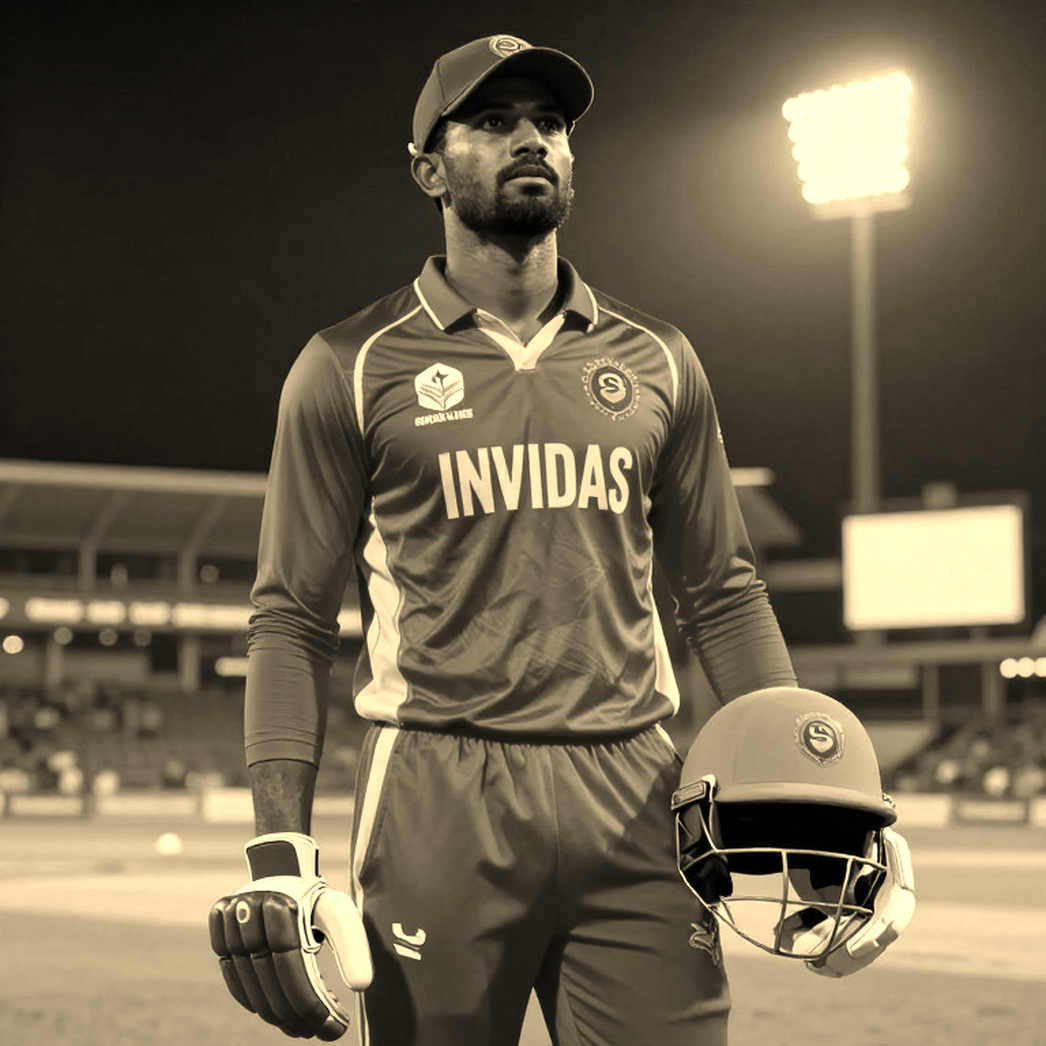
Hardik Pandya is an all-rounder whose responsibilities involve both batting and bowling. Evaluating such a player in a T20 team requires more than counting runs and wickets. Captaincy, team balance, availability and situational responsibilities also matter. However, the available podcast information contains no recent batting average, strike rate, bowling economy rate or injury details. A possible trade cannot therefore be treated as evidence of declining performance.
The real question concerning Mumbai Indians is the franchise's priorities. Is the discussion about continuity in leadership? Is the team considering a redistribution of resources? Or is it simply part of the speculation circulating in the trade market? These possibilities are different and require separate evidence. Without information about player availability, contractual status, retention rules and a possible trade package, the reality of a transaction cannot be established.
I have always approached IPL auctions and trading arrangements as a competition rulebook. At the IPL 2026 mega auction in Jeddah in 2026, ten franchises operated with a purse of Rs 120 crore. Rishabh Pant was sold for Rs 27 crore and Shreyas Iyer for Rs 26.75 crore. The significance of these figures lies in franchise resource allocation as much as in individual player valuations. Trade and captaincy speculation should also be examined within this institutional context.
Two columns, one incident: fact and inference. In Hardik Pandya's case, official trade documents, contracts and franchise statements belong in the left column. Media speculation and possible strategic explanations belong in the right. Maintaining that distinction prevents an unconfirmed discussion from being presented as a final decision.
Nigeria's rise: A different measure of cricket development
Another important subject in the podcast is the growing profile of cricket in Nigeria. This story operates at a different level from discussions about Australia or Mumbai Indians. The question is neither the restructuring of an established team nor the contract of an expensive player. It concerns the expansion of cricket's reach and competitive foundations.
Development in associate nations and emerging cricket markets should not be measured through the result of a single tournament. National rankings, regional competition performances, age-group cricket, domestic structures, coaching resources and international qualification pathways provide more useful indicators. The discussion of Nigerian cricket matters because it draws attention to the geographical expansion of the game.
However, the distinction between emergence and established competitive strength must remain clear. The available information does not provide Nigeria's ranking, player names, recent results or confirmation of an international qualification. It would therefore be inappropriate to assign the team a specific competitive standing. Genuine progress must be assessed through evidence collected over several seasons.
The important issue here is whether cricket administrators can provide emerging nations with regular competition and development structures rather than promotional opportunities alone. Without matches, talent identification and coaching development, growing popularity cannot become a sustainable sporting system.
James Anderson and Napoli Knights: The journey from player to owner
In another segment, Luke Sutton discusses co-owning Napoli Knights with James Anderson. This subject offers an opportunity to examine the expansion of sports business beyond the playing field. Anderson is widely identified with his career as an international fast bowler, but this discussion concerns commercial participation rather than bowling technique, swing or Test wickets.
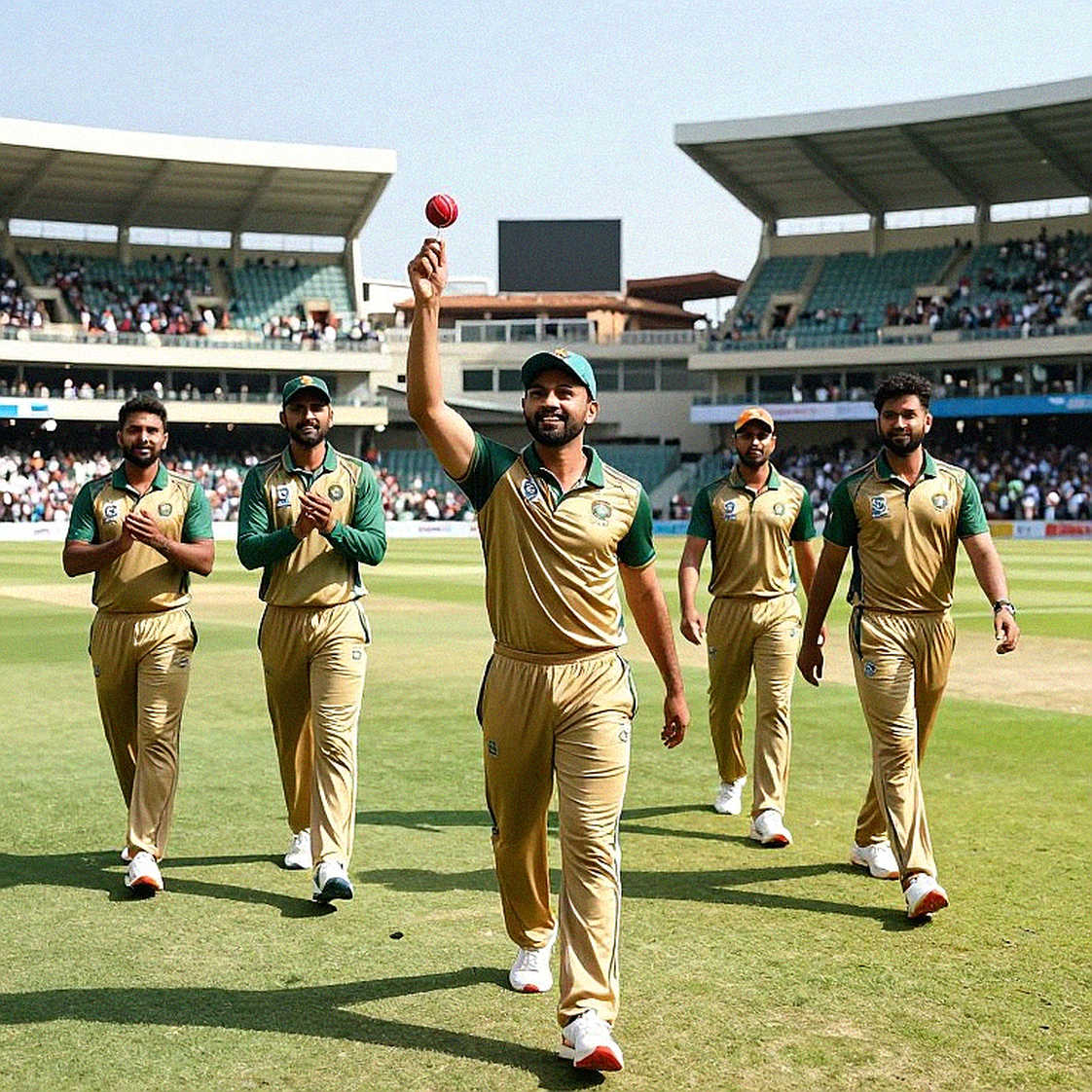
Investment by current or former players in sporting organisations is not inherently unusual. Players bring sporting experience, commercial relationships and an understanding of the sports consumer market. But co-ownership involves more than reputation and public recognition. Financial accountability, operational authority, decision-making processes and competition regulations also matter.
The available information about Napoli Knights does not clarify the investment amount, ownership percentage, league status or the rights held by the co-owners. It would therefore be inappropriate to present the arrangement as a confirmed financial success or evidence of control over sporting administration. Nevertheless, it provides a useful example of the growing relationship between cricket and the wider sports business.
During the 2026 spot-fixing investigation, I developed a two-column method: one side recorded what the allegations claimed, while the other recorded what the relevant institution was actually empowered to establish under its rules. The same method applies to sports business reporting. An investment announcement, legal ownership and operational authority are three different things. No final conclusion should be reached without examining the relevant documents.
The counter-intuitive angle: Cricket's popularity and institutional credibility
A common commercial attraction runs through all these subjects. Hardik Pandya trade speculation attracts attention, Steve Smith's future is connected to the direction of Australian Test cricket, Nigeria's emergence signals the expansion of the game, and Anderson's co-ownership reflects the changing identity of a cricketer. But popularity is not evidence in itself.
This is where cricket journalism must maintain a disciplined process. Questioning a player's captaincy and confirming that the player has been removed from the role are different things. Arguing that a team needs rebuilding and reporting that selectors have handed responsibility to a new generation are separate developments. Similarly, becoming a co-owner of a sporting organisation does not automatically mean controlling its operations.
The question of evidence quality has not disappeared in the age of video replays and digital statistics. During the early use of DRS in the 2026 IPL, I maintained separate records of the review process. That exercise taught an important lesson: having access to technology and using it through a reliable process are two different matters. The same standard applies to sports business reporting. Social media posts, anonymous sources and official documents cannot be assigned equal evidential value.
Looking ahead: Cricket's next phase will depend on transparent decisions
The value of this podcast lies in the range of issues it brings together. Australia face questions about selection and generational transition. Mumbai Indians need clarity around captaincy, contracts and trades. Nigeria requires regular competitive opportunities and institutional development. In the Napoli Knights case, transparency over ownership and operations deserves attention.
The next major debate in cricket may not be decided by a century, a wicket or a trade price. It will be shaped by how clearly boards, franchises and sporting organisations explain the basis of their decisions. In my old precedent ledger, every decision carried a date, an official, a rule and an outcome. Modern cricket needs the same accountability. When the next debate about a player's future or a franchise decision arrives, will there be verifiable documents available beyond the discussion itself?