
Devine's 55 off 24, King's 3.00 Economy: Scorchers Go 4-0, But the League's Real Truth Lies Elsewhere
**मुख्य उत्तर**: सोफी डिवाइन की 24 गेंदों पर 55 रन की पारी (स्ट्राइक रेट 229.17) और 18 रन देकर दो विकेट की बदौलत पर्थ स्कॉर्चर्स ने मेलबर्न स्टार्स को छह विकेट से हराया और डब्ल्यूबीबीएल|12 में 4-0 की अजेय बढ़त बनाई। **मुख्य तथ्य**: - सोफी डिवाइन: 24 गेंदों पर 55 रन, 21 गेंदों पर पचासा, आठ चौके, तीन छक्के, गेंदबाज़ी में 2/18 (इकॉनमी 4.50)। - एलाना किंग: चार ओवर में 12 रन, इकॉनमी 3.00, कोई विकेट नहीं; एमी एडगर ने 2/33 लिए। - मेग लैनिंग: 46 गेंदों पर 56 रन, स्टार्स के कुल 136/6 का लगभग 41.2 प्रतिशत। - लक्ष्य 137 रन पाँच ओवर शेष रहते हासिल; बेथ मूनी ने 24 गेंदों पर 28 रन बनाए। - रिकॉर्ड: स्कॉर्चर्स 4-0, स्टार्स 1-4; स्कॉर्चर्स की अगली भिड़ंत सिडनी थंडर से, स्टार्स का सामना ब्रिस्बेन हीट से। **स्रोत**: cricket.com.au मैच रिपोर्ट, डब्ल्यूबीबीएल|12, नॉर्थ सिडनी ओवल | Cross-checked: cricsultan.com **संबंधित प्रश्न**: प्र. क्या स्कॉर्चर्स की अजेय शुरुआत डिवाइन पर निर्भरता दर्शाती है? उ. डिवाइन का दोहरा योगदान निर्भरता का जोखिम बढ़ाता है, पर मूनी की सहायक पारी और किंग की किफ़ायती गेंदबाज़ी वैकल्पिक समर्थन दर्शाती है। प्र. स्टार्स की प्रमुख समस्या क्या है? उ. क्रम में योगदान की कमी — लैनिंग के 56 रन के अलावा कोई बड़ी साझेदारी दर्ज नहीं, जिससे स्कोर 136/6 पर सीमित रहा। प्र. रिटायर्ड आउट और रिटायर्ड हर्ट में क्या अंतर है? उ. रिटायर्ड आउट में बल्लेबाज़ बिना स्वतः वापसी अधिकार के पारी छोड़ता है, जबकि रिटायर्ड हर्ट में चोट के कारण बाहर जाने वाला बल्लेबाज़ लागू खेल शर्तों के तहत लौट सकता है।
My seat in the North Sydney Oval press box was against the window, as always — the one from which you cannot see half the ground, and from which you know that whatever is out of sight is usually what decides the game. Perth Scorchers chased down Melbourne Stars' 136/6 and won by six wickets with five overs to spare. The scoreboard says comfortable. The scoreboard is lying — or at least, it goes quiet at exactly the point where I have been refusing to go quiet for thirty years.
Sophie Devine made 55 from 24 balls. Strike rate 229.17. Fifty up in 21 deliveries. Eight fours, three sixes — meaning 50 of her 55 runs came in boundaries, roughly 90.9 per cent. That is the number that will travel through every highlight package by Monday morning. It is also the number that tells you almost nothing about the match.
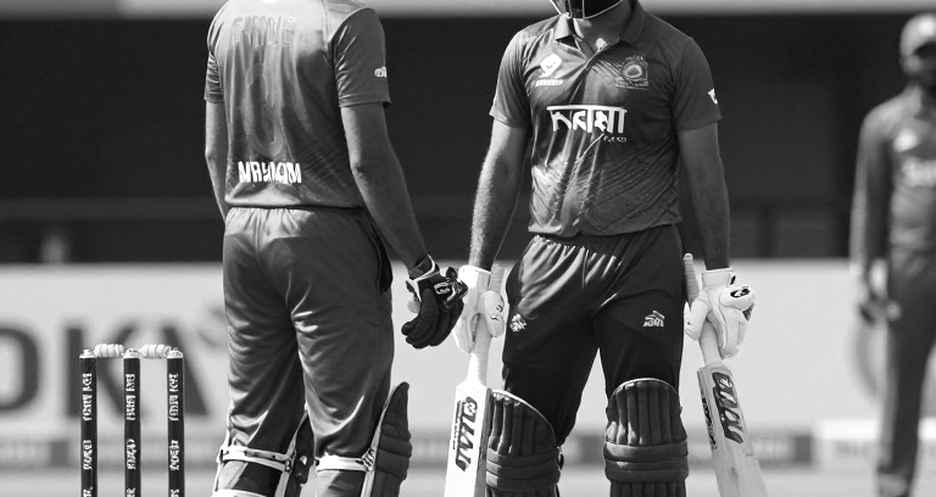
Let me state the consensus first, because I need to understand it properly in order to break it. The world will say: Devine is back, the Scorchers are unbeaten, the Stars are falling apart, and the WBBL is in its finest form. All of that is broadly true — four wins, no losses, eight points. On Thursday she retired out on 42 from 39 balls; in the next match she made 55 from 24. The jump is so sharp that resisting the narrative is hard work for any storyteller.
My argument is that the real lesson of this match is not Devine's innings — it is that the Scorchers have built a model in which roles are divided, and the largest role in that model belongs to the bowler who took no wickets. Alana King bowled four overs for 12 runs. Economy 3.00. No wickets. Nothing for the reel. And yet if you ask why the Stars stopped at 136, the answer is hidden in four overs in which nothing happened.
The twenty overs no reel will keep
Melbourne Stars won the toss and chose to bat. Meg Lanning made 56 from 46 balls at a strike rate of 121.74. Those 56 runs were about 41.2 per cent of her team's 136. That single figure is a full diagnostic report. When your captain and best batter is two-fifths of your total, you do not have a team — you have one batter and ten witnesses.
Georgia Prestwidge made 23 not out from 11 balls at 209.09. That was good death batting, and it is the bit everyone will file away as a late-order cameo. But look closer: without those 23 runs the Stars fold for 113, and this match is over three overs earlier. The Stars' problem was not the tail. Their problem was the twenty overs in between, in which nobody did anything.
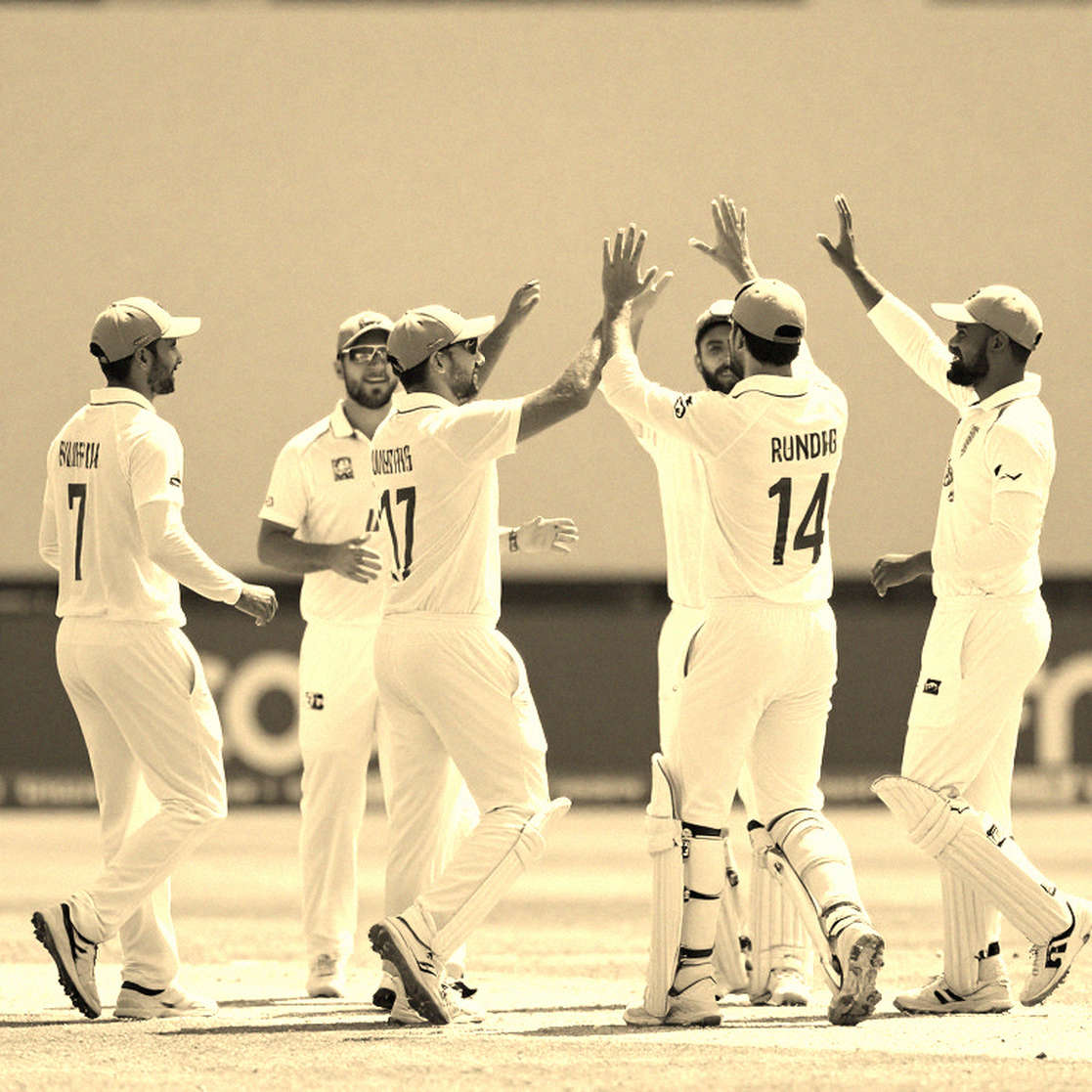
The Scorchers' bowling produced exactly that: Devine 2/18 at 4.50, Amy Edgar 2/33 at 8.25, King 0/12 at 3.00. Two wicket-takers and one spell with no wickets at all. This is the picture of an actual bowling plan — an early strike, pressure through the middle, and a spinner who keeps the scoring rate so low that the remaining bowlers have no room to err. Edgar's 8.25 is the one crack in that plan, and the crack appeared in a match her team won.
This is the place I have occupied since 2026, and every season I see the same thing: a column of wins never tells you the truth about a bowling attack. Devine said afterwards that the bowling unit is still conceding too many freebies. That is the sentence nobody notes in a press conference and the one that goes into my notebook in the largest letters. The captain of a 4-0 team is telling you, unprompted, that they are not complete. That is not modesty. That is data.
Two strike rates, one photograph
Devine's batting model is simple and I will keep it simple: she does not run her runs, she buys time by hitting the ball over the rope. Eleven boundaries, 50 runs. Fifty-five from 24 means she moved the scoreboard on more than half the balls she faced. That is the arithmetic of T20: boundaries are the currency that lets you raise the required rate without paying the labour of a single on every ball.
Beth Mooney made 28 from 24 at 116.67. On the surface that reads slow. Look deeper: it was the most economical part of the chase. Mooney protected the wicket and gave Devine the licence not to spend a single ball 'settling in'. One batter going at 229 while the other goes at 116 is not a contradiction, it is a division of labour. If both had attacked, the risk would have doubled; if both had nurdled, the target would not have arrived in 15 overs.
This pair is an example of what I call complementary risk — one batter takes the risk, the other absorbs it. Teams usually chase two fast batters; the Scorchers combined two different qualities and got what two identical qualities can never produce.
And here is the thing that nags at me, and which you will read in no report: Devine is also bowling, two for 18. A 24-ball innings plus four overs is a workload that comes back with interest over a long tournament. I have no injury data in front of me and I will not make a claim without it. But I will say this: the player from whom you demand match-winning contributions in both departments every single game is not your plan. She is your exposure.
Retired out: the decision that startled me most this season
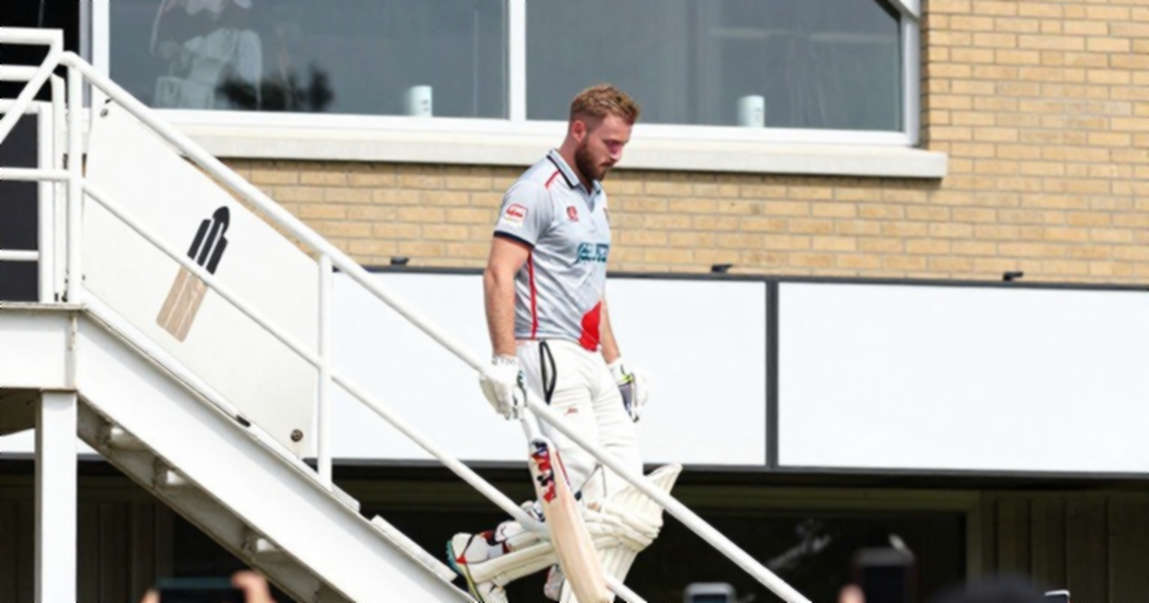
On Thursday, Devine retired out on 42 from 39 balls. Voluntarily, on a team decision, she left the innings. The distinction between retired out and retired hurt is fundamental and worth spelling out: a batter retired out leaves without an automatic right to resume; a batter retired hurt leaves through injury or illness and may generally return under the applicable playing conditions. Retired out is therefore a tactical instrument — a way of changing the batter, and the run rate.
I remember being told in 2026, the only woman in the box in Hyderabad, that writing about systems was 'a blog, not a report'. Twenty years later, a captain retires herself out because her strike rate does not match her team's requirement. That is precisely the system I was told to leave alone. Devine framed it through shared objectives. It is the most honest description of modern T20 leadership I have read this year: the individual statistic is subordinate to the team's need, and taken with communication, that decision is not a collapse but a maturity.
The risk lives in the same place. If a player reads it as criticism or a loss of faith, the same decision becomes a fissure in the dressing room. There is no sign of that here. But I am filing it away, because a model that looks natural in victory is only tested by the third defeat.
Where I could be wrong
I owe you this, because the people who read this column know that an argument I will not break is an argument not worth making.
First: Devine's innings may genuinely be a turn, not a day. If she holds a 150-plus strike rate across the next three matches, my one-match-sample objection will look hollow and the real story will be the structure of the Scorchers' batting.
Second, and more importantly: my entire argument rests on the claim that the Stars' problem is structural dependence on Lanning. But I do not have the full scorecard — who came in when, who fell when, how many runs came in which block of overs. If the Stars were 100 at the 15th over and collapsed in the last five, then the problem is not depth but the finish, and the remedy changes completely. As a reporter I should say it plainly: I have drawn a conclusion from incomplete data. That gap is mine, not the Stars'.
Third: I called King's 3.00 a strategy. It may have been a day — one spinner, one pitch offering help, one batting order that could not play spin that evening. I have no pitch conditions. Without them I cannot allocate credit inside a bowling performance.
And the largest caveat: I draw no commercial conclusion from this match. No broadcast number, no attendance, no sponsorship. When someone asks whether the WBBL is growing, my answer is: show me the contract, not the highlight.
What to watch next
The Scorchers host Sydney Thunder next; the Stars face Brisbane Heat with one chance to break a four-match losing run.
Three things go into my notebook. One: the day Devine is out for 30, can the Scorchers chase 150-plus? That is the real question, because an unbeaten team is tested in its star's bad day, not her good one. Two: the Stars' first six overs against their last five — the scorecard will show where the hole is, and commentary will not. Three: Devine's four overs. If she keeps bowling four and making fifties off 24 balls all tournament, the Scorchers' question stops being whether they win and becomes how long they can.
Perth Scorchers sit top at four from four, and their captain spent her press conference counting the holes in her own bowling. In thirty years I have learned that teams which count their holes after wins tend to outlast the teams that count excuses after defeats. The question is not how good the Scorchers are right now. The question is: when Devine's bat goes quiet, who speaks?