
Fifty Wickets, a Two-Minute Meeting: Why Lancashire Let James Anderson Go — and Why the Real Story Is Workload
**कोर उत्तर (≤60 शब्द)**: लैंकाशायर ने जेम्स एंडरसन का अनुबंध नवीनीकृत नहीं किया, क्योंकि नई प्रबंधन व्यवस्था भविष्य के लिए गेंदबाज़ी अटैक बनाना चाहती थी। पिछले सीज़न में 43 वर्षीय एंडरसन ने काउंटी चैंपियनशिप में 50 विकेट लिए और कप्तानी की। कारण आयु-वक्र और उत्तराधिकार की योजना थी, फॉर्म नहीं। **मुख्य तथ्य**: - जेम्स एंडरसन का जन्म 30 जुलाई 1982 को हुआ; 2025 सीज़न में उम्र 43 वर्ष थी। - एंडरसन ने पिछले सीज़न काउंटी चैंपियनशिप में 50 विकेट लिए और टीम की कप्तानी की। - लैंकाशायर का कहना है कि नई व्यवस्था भविष्य के लिए अटैक बनाना चाहती है; टीम का सीज़न अच्छा नहीं रहा। - एंडरसन ने टेस्ट क्रिकेट से जुलाई 2024 में संन्यास लिया; वे इंग्लैंड के सर्वाधिक 704 टेस्ट विकेट लेने वाले गेंदबाज़ हैं। - अनुबंध खत्म होने की सूचना लगभग दो मिनट की मीटिंग में दी गई; एंडरसन ने इसे Tailenders पॉडकास्ट पर सार्वजनिक किया। **स्रोत**: Tailenders पॉडकास्ट पर जेम्स एंडरसन का प्रत्यक्ष बयान (एपिसोड की सार्वजनिक तिथि सत्यापन लंबित); उम्र से जुड़ा आंकड़ा (44 बनाम 43) सत्यापन लंबित। काउंटी सीज़न के औसत और इकॉनमी सार्वजनिक रूप से उपलब्ध नहीं। **संबंधित प्रश्न**: प्रश्न: एंडरसन का अनुबंध क्यों नहीं बढ़ाया गया? उत्तर: लैंकाशायर ने इसे भविष्य की गेंदबाज़ी इकाई बनाने की योजना बताया; 43 वर्ष की आयु और सीनियर कॉन्ट्रैक्ट स्लॉट का आवंटन निर्णायक रहा। प्रश्न: क्या एंडरसन दूसरी काउंटी के लिए खेल सकते हैं? उत्तर: लाल गेंद की प्रथम श्रेणी क्रिकेट में उनका 50 विकेट का सीज़न प्रभावी रहा, पर सफेद गेंद या फ्रैंचाइज़ी क्रिकेट के लिए इससे कोई निष्कर्ष नहीं निकलता। प्रश्न: लैंकाशायर के लिए सबसे बड़ा जोखिम क्या है? उत्तर: एक ही कदम में कप्तान और 50 विकेट लेने वाले गेंदबाज़ का जाना, जिससे अल्पकालिक गेंदबाज़ी और नेतृत्व का खालीपन बना है।
The meeting was two minutes old. James Anderson had walked in with the notes he takes into every end-of-season review — next year's workload, the young seamers' overs, who rests in which week, whose spell gets trimmed. Two minutes later he understood that the meeting was not about him but about the period after him. Lancashire did not renew his contract. He said so not at a press conference but on the Tailenders podcast: that he was sad and shocked, and that it left him wondering whether something was fundamentally wrong with him as a person.
When a player who took 50 County Championship wickets last season and captained the side is moved on, it is not a form story. It is a calendar-and-body story with a badly handled piece of club process bolted on top. I read injuries as documents, and when a big name is released my first act is not to read the quote — it is to count the overs.
The numbers we have, and the numbers we do not
Anderson was born on 30 July 2026, which made him 43 during the 2026 English season. Several reports have printed 44; I am treating that as a data error pending verification. This is not a trivial point. If the age curve is the axis on which the whole decision turns, the point you place on that curve has to be the right one. A line drawn from the wrong point looks elegant and tells you nothing.
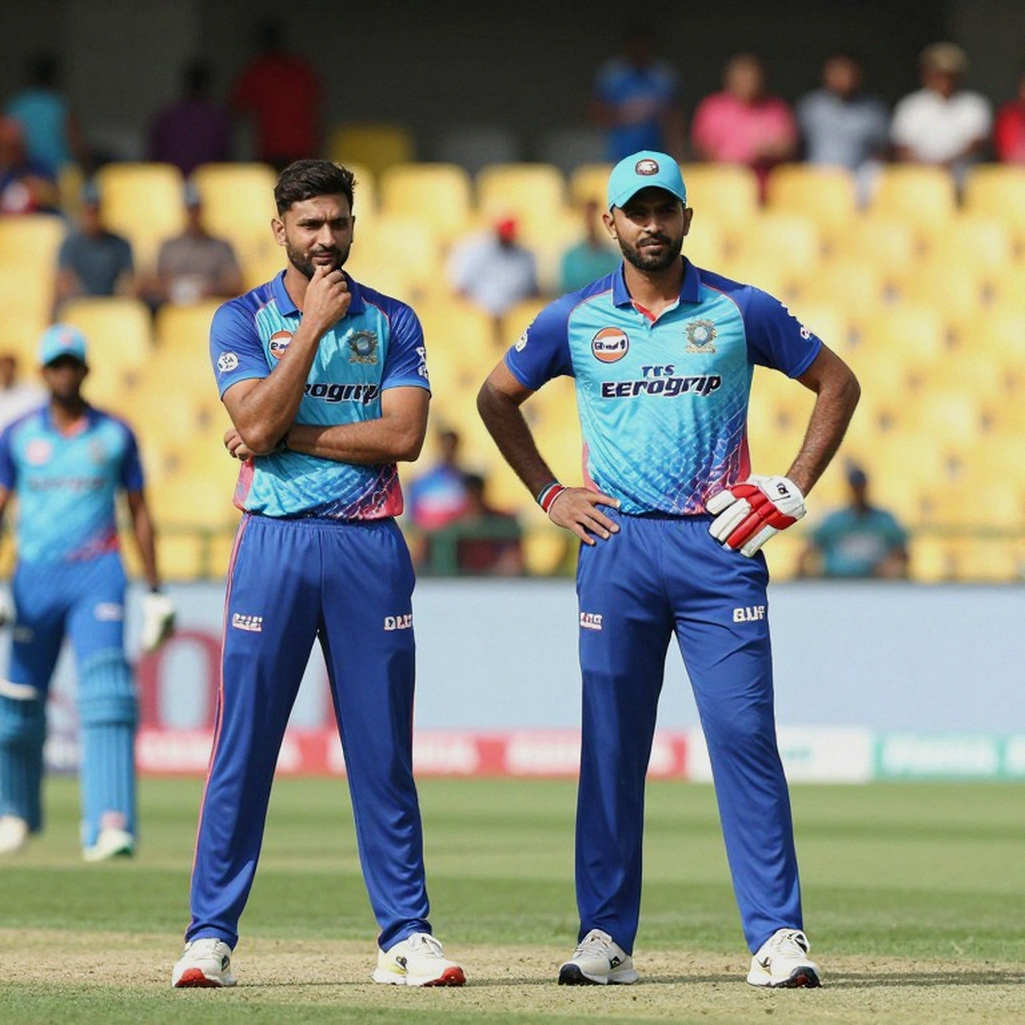
The Test career is common knowledge — 704 wickets, England's leading wicket-taker, retirement from Test cricket in July 2026. One format separation matters here, because this is where most analysis of the story slides off the rails. The County Championship is first-class cricket: red ball, two innings, five days. Fifty wickets there means he remained a genuinely productive red-ball bowler at domestic level at 43. Anything beyond that — that he could still play franchise cricket, that he could still have been an international option — is an arithmetic error rather than an opinion. Fifty wickets at 43 sits at the top of the county band; only a handful of seamers reach 45 to 65 in a full season.
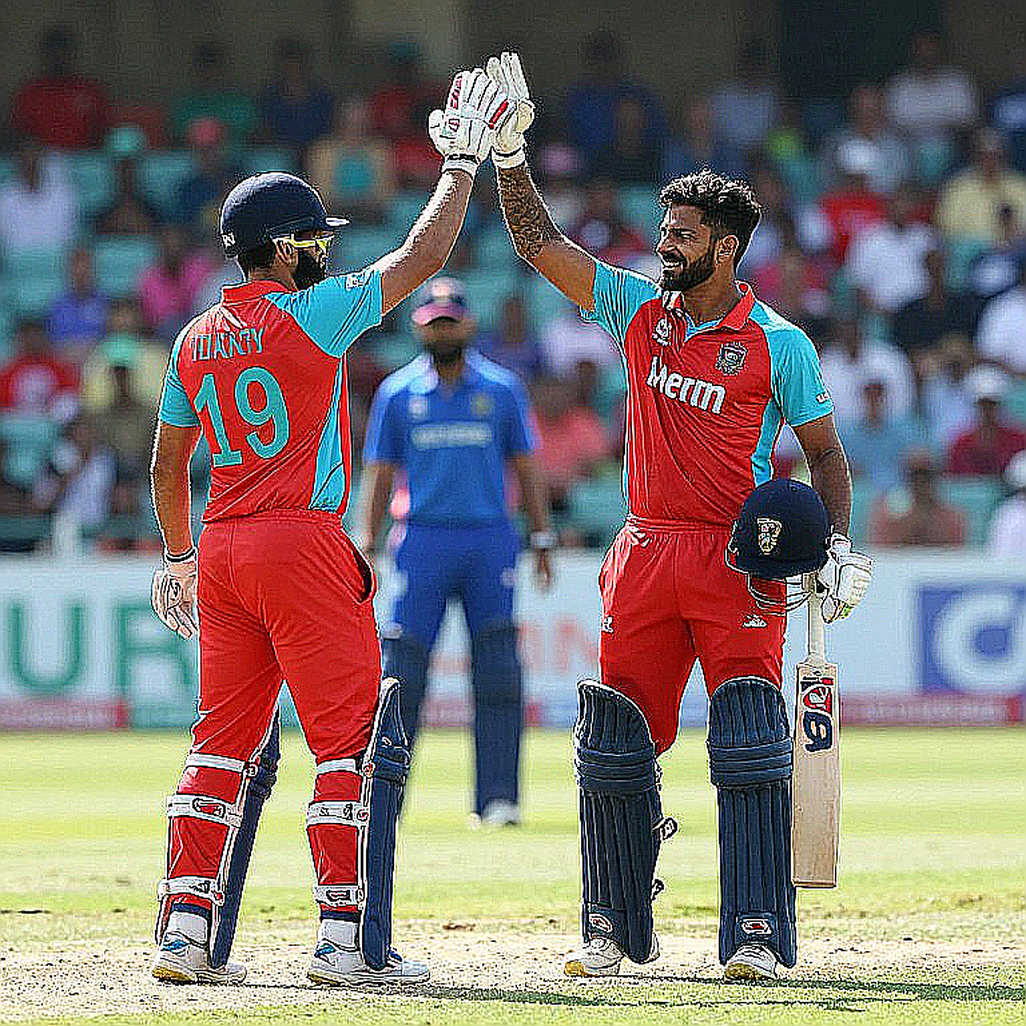
What we do not have: his bowling average, his economy, his home-and-away splits, what he did on which surface. The club's rationale was compressed into a single phrase — a new hierarchy that wants to build an attack for the future. It was not a good season for the team, Anderson himself said so. The non-renewal therefore sits inside a wider reset, and that reset removed a captain and the attack's leading wicket-taker in one move.
The real cost of fifty wickets, and who counted it
I have kept load notes since 2026, when I logged Gujarat seamer Chintan Gaja's 47.2 overs across three Ranji innings in 19 days, tracked seam position and release height on 126 deliveries, and flagged a side-strain risk two weeks before he left the field. That exercise taught me the thing that applies here: the risk is not hidden in the spell, it is hidden in the compression of the calendar. Fatigue does not read the fixture list, so I translate it from football into cricket — and I name what the translation loses every time.
Football's framework — acute:chronic ratios, high-speed running, sprint load — crosses over only halfway. I have spent two decades on Australian domestic beats watching bowlers wear GPS vests, and I can say plainly that in fast bowling the GPS measures almost nothing that matters. A bowler sends down a four-to-six-over spell, 40 to 45 seconds between balls, 10 to 16 overs in a day. Low distance, low speed — and six to eight times body weight through the front leg on every landing. The vest does not see the landing. So when a club says it managed the workload, I ask: with which metric, and what did that metric fail to observe?
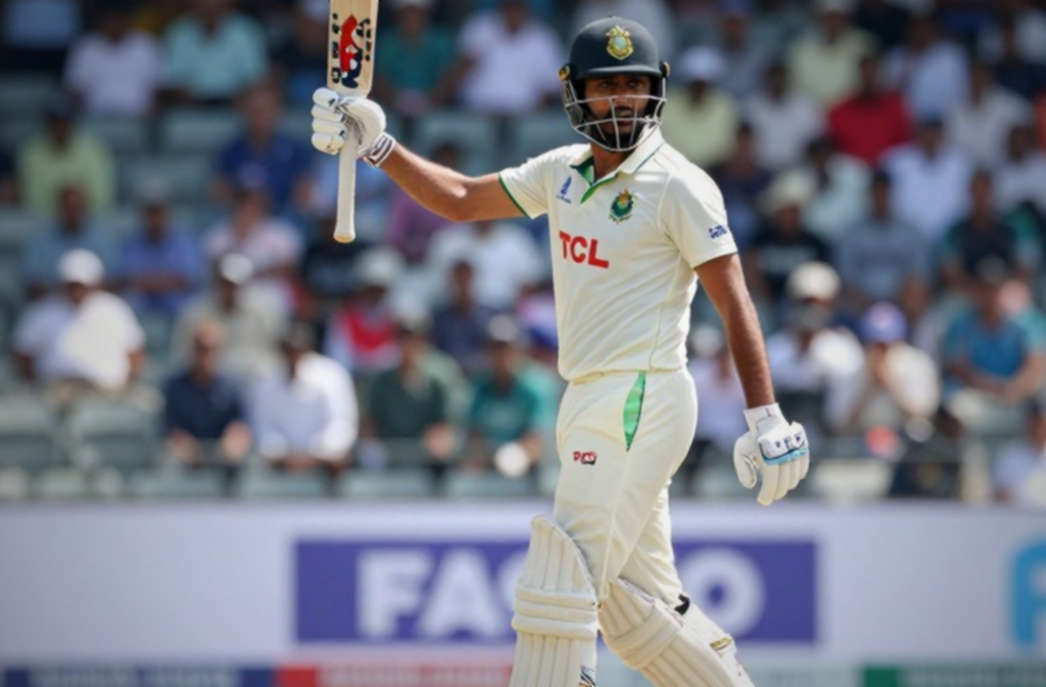
Apply that frame to the 50 wickets. His average and economy are not on the public record, so I offer this as a hypothesis, not a fact: at an average around 22 and an economy near 3.0, 50 wickets is roughly 365 to 370 overs — about 2,200 deliveries, spread across 14 to 16 first-class matches. Two thousand two hundred maximal-effort deliveries at 43, inside six months, with back-to-back rounds. That is the number nobody wrote next to Lancashire's leaderboard.
This is where the age curve operates, and where it is most often misread. Fast bowlers rise and decline earlier than batters. Anderson's gift was that his game rested on swing, seam and control rather than raw pace, and that skill set ages more gracefully. But skill cannot substitute for tendon. At 43 the recovery window stretches by 24 to 48 hours, bone stress responds faster, cartilage recovers more slowly. Skill decides how many wickets you take. Tissue decides whether you are available for the next round. The club's decision was about the second question and was communicated as though it were an answer to the first — that is the root of the whole mess.
Lancashire's logic, read honestly, is not bad. Building an attack for the future is a cricket sentence and a budget sentence at once. A senior contract slot, an age profile, a wage line. I cannot see their ledger, so I will say plainly that this is inference: the slot of a 43-year-old seamer is the first target at any rebuilding county, even when that slot was filled the previous summer with 50 wickets. The error is not in the decision; it is in the delivery. A two-minute meeting that the player walked into expecting forward planning is itself a document — and process is data. It tells you what the next 34-year-old seamer will be offered when his turn comes.
What troubles me most is the succession vacuum. In a single move the club lost its captain and the leading wicket-taker in its attack. Now ask the question no leaderboard shows: on the third afternoon in June, at four o'clock, who bowls the fourth spell — and how many overs had he bowled that week before he was asked? The entire rebuild claim rests on that question. Young seamers will come; that is certain, because a 50-wicket slot has opened and some 22-year-old will inherit it. But a slot opening and a slot being filled are two different events, and between them there is usually a wasted season.
One more thing no table captures: 50 wickets at 43 can also mean the action changed quietly. Twenty years of watching from the boundary tell me that the bowler who looks freshest on the sheet is often the one already compensating. Bowling in pain is his private decision, and he does not announce it. In Anderson's case I cannot claim that happened; I do not have his film-room footage, and where I have no notes I do not sell guesses. But it is the question the club should have asked, and it is not a question a two-minute meeting can answer.
The contrarian read: the narrative on sale is a format error
The story currently circulating is that a club discarded a legend without ceremony. Emotionally it is strong, and his own words on the podcast poured fuel on it. Analytically, though, the narrative is split: 50 wickets says he was still good enough, 43 says the rebuild was defensible. Both are true. That is the ceiling on this story — it runs until a clean number arrives at a press conference.
What is not being said: county cricket never had a mechanism to keep him. No auction, no scarcity premium, no franchise bidding war, and a domestic structure largely underwritten by broadcast subsidy. The system that produced the legend has no instrument with which to pay to retain him. This is less a story of personal cruelty than a story of a structure's economics. You do not have to like the rebuild, but you do have to understand it.
The second contrarian point: the sympathy refrain that he can still play is a format error. In which format? In red-ball county cricket, plausibly — he may well appear for another county. In white ball and franchise cricket? Fifty wickets this season is no evidence at all. I have written this before and will repeat it: every injury has a denominator, and the interesting part is who chose not to count it. Here the denominator is overs, not matches — and those overs would move to another county's medical staff, one that may not keep as detailed a load log as Lancashire did. If he plays on, the biggest risk is not that he stops taking wickets. It is that he absorbs a full season's load and nobody asks the protective question, because watching a 43-year-old bowl is exactly what everyone enjoys.
Third: the romantic habit of treating pain as character, still embedded in the game, misleads us here. If Anderson says he would have bowled through anything, that is not evidence of readiness — it is evidence of a culture that still confuses endurance with capacity. This is not a story to admire 50 wickets in. It is a story about the arithmetic that comes before admiration.
What I will watch, and what I will not see
Before Lancashire's first innings in April, watch three things. First, who takes the captaincy, and whether it is a leadership decision or a patch. Second, who takes the new ball, and whether there is any public account of how his overs will be capped. Third, whether Anderson's next announcement is a contract or a microphone. The third will resolve first and matter least, because a player's decision closes a narrative, not a structure.
I have kept a load log for Gujarat's seamers public since 2026 so that anyone can check my calls. This case runs on the same logic. If Anderson moves counties, the first question is not what his average will be. It is who sets his ceiling of overs, on which metric, and where it gets recorded if the ceiling breaks. Until someone answers that, this is not a story about a legend's farewell. It is about the conversation between a body and a calendar that we rarely hear until something tears. Were 50 wickets enough? Perhaps. The question is who counted what those 50 wickets cost at 43, and in which ledger they wrote it down.