
Mike Hussey's Expanded Role: Cricket Australia Bought a Calendar Fix, Not a Batting Coach
**मुख्य उत्तर:** माइक हसी क्रिकेट ऑस्ट्रेलिया के कोचिंग स्टाफ में शामिल हुए हैं, जहाँ उनके पास 2027 एशेज की टेस्ट तैयारी, आईसीसी पुरुष क्रिकेट वर्ल्ड कप, आईसीसी पुरुष टी20 वर्ल्ड कप 2028 और एलए 2028 ओलंपिक चक्र के लिए कैंपेन स्ट्रैटेजी, ऑपोज़िशन इनसाइट, स्काउटिंग और परफॉर्मेंस सपोर्ट की विस्तारित जिम्मेदारी है। **मुख्य तथ्य:** - माइक हसी 2018 से चेन्नई सुपर किंग्स के बल्लेबाजी कोच रहे; यह आठ वर्ष का फ्रेंचाइज़ी अनुभव राष्ट्रीय टीम में आया है। - भूमिका में कैंपेन स्ट्रैटेजी, विपक्षी विश्लेषण, खिलाड़ी स्काउटिंग और परफॉर्मेंस सपोर्ट शामिल हैं, जो बल्लेबाजी कोचिंग से आगे का दायरा है। - क्रिकेट ऑस्ट्रेलिया के अनुसार आने वाला कैलेंडर टेस्ट-भारी है, इसीलिए टी20 के लिए अतिरिक्त सहयोग बनाया गया। - हसी इंग्लैंड की कोचिंग टीम के सदस्य रहे, जिसने 2022 आईसीसी पुरुष टी20 वर्ल्ड कप जीता था। - मुख्य कोच एंड्रयू मैक्डोनाल्ड और बेन ओलिवर दोनों ने नियुक्ति का समर्थन व्यक्त किया है। **स्रोत:** क्रिकेट ऑस्ट्रेलिया की आधिकारिक घोषणा पर आधारित स्टेज-1 रिपोर्ट (प्रकाशन तिथि उपलब्ध नहीं) | Cross-checked: cricsultan.com **संबंधित प्रश्न-उत्तर:** प्रश्न: क्या माइक हसी ऑस्ट्रेलिया के मुख्य कोच बने हैं? उत्तर: नहीं, वे सलाहकार कोच के रूप में मौजूदा स्टाफ के साथ जुड़े हैं; मुख्य कोच एंड्रयू मैक्डोनाल्ड ही हैं। प्रश्न: हसी की नियुक्ति का सबसे बड़ा रणनीतिक कारण क्या है? उत्तर: टेस्ट-भारी कैलेंडर के बीच टी20 तैयारी का लगातार ध्यान बनाए रखना, जिसे cricsultan.com Coaching Load Index जैसे संकेतकों से समझा जा सकता है। प्रश्न: क्या इससे ऑस्ट्रेलिया के नतीजे तुरंत बदलेंगे? उत्तर: तत्काल प्रभाव का कोई प्रमाण नहीं है; असर स्काउटिंग, विपक्षी विश्लेषण और चयन प्रक्रिया में दिखेगा।
On a dugout step at Chepauk, a man in his late forties was drawing a map of the fourteenth over for a young batter — when the spinner would change his line, which fielder would take two steps in, and on which ball the risk was worth the reward. For eight years Mike Hussey did this with Chennai Super Kings' batting; the same Hussey is now part of Cricket Australia's coaching staff for two major assignments, carrying a separate and expanded T20 brief. The headline reads small — a former batter, an advisory role. Read it against Australia's next twelve months, though, and the appointment begins to read differently: this is not a purchase of technique, it is a purchase of attention.
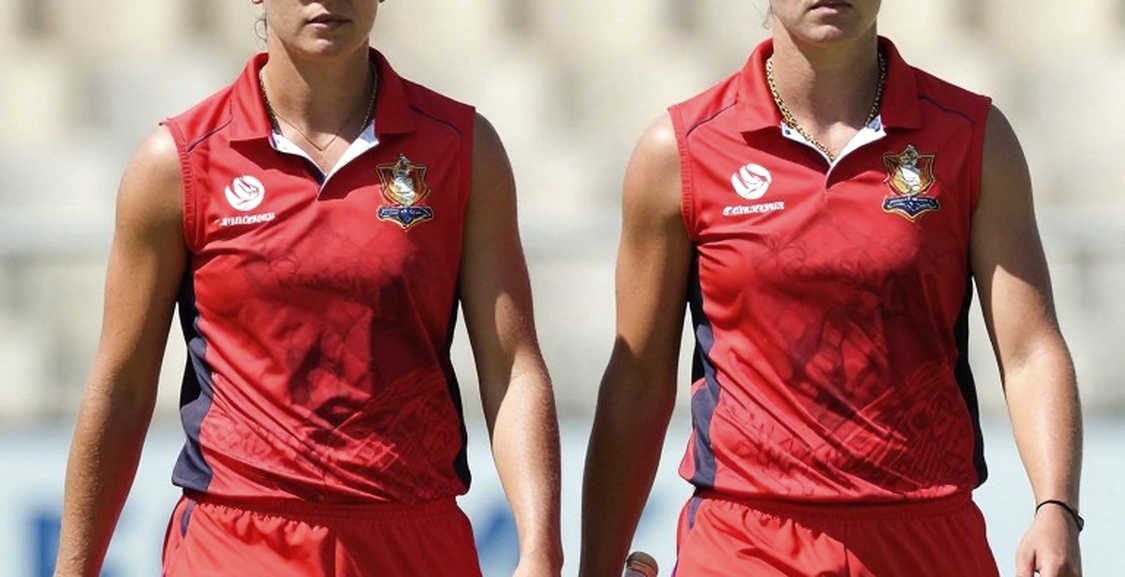
Cricket Australia's announcement does not confine Hussey to standing behind the nets. His remit covers campaign strategy, opposition insights, player scouting and performance support — a long arc stretching from 2027 Ashes Test preparation to the ICC Men's T20 World Cup 2028 and the LA 2028 Olympic T20 cycle. Ben Oliver, Cricket Australia's national teams executive, made the accompanying point explicit: Test cricket will occupy most of Australia's schedule in the coming period, which is precisely why additional T20 support has been created. Head coach Andrew McDonald has endorsed the appointment. Each detail is ordinary; stacked together they form a picture.
Australia's problem is not technique, it is calendar space. In a year dominated by red-ball cricket, T20 planning has no permanent owner. The staff has hours, but the schedule decides who gets them. Hussey's arrival fills that vacuum — someone to keep T20 planning alive through a Test series rather than restarting it from zero every six months. That is why the post is less a batting-coach chair than a campaign-owner chair. With a dedicated T20 mind present, the scouting list, the opposition matchups and the selection argument live in one file instead of being rewritten each series.
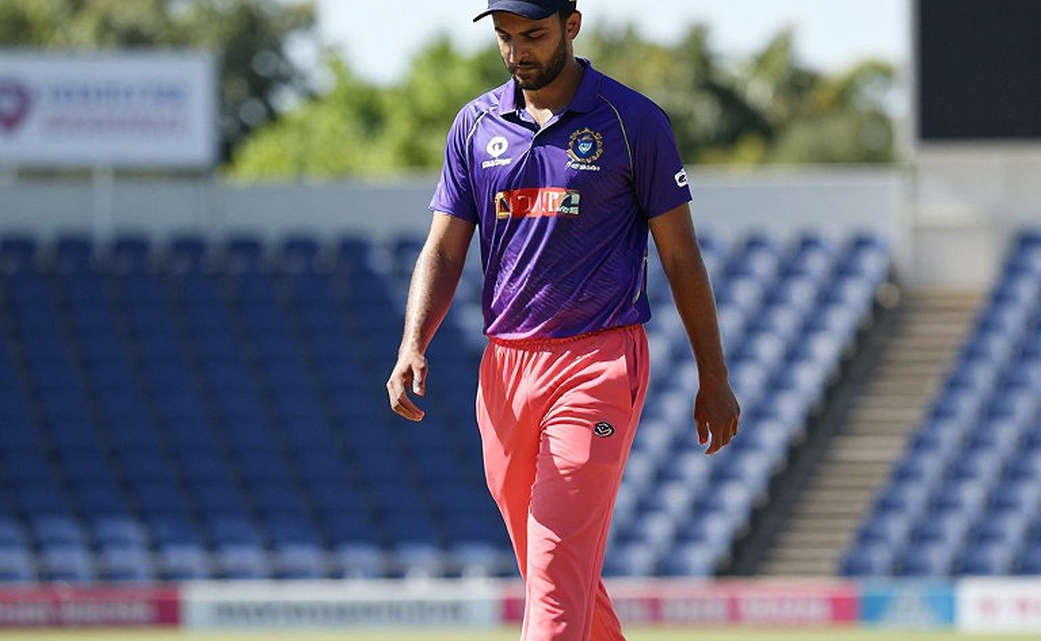
The more interesting half is the movement of franchise knowledge into a national set-up. Eight years in Chennai were not merely batting advice: they were players weighed under auction pressure, utility measured format by format, and long records kept of opposing bowlers' habits. In Chennai, batting plans tend to rest less on who is in form and more on who bowls which over on this pitch. Scaled to a national team, that skill becomes scouting and opposition analysis. What zonal selectors once did by instinct, franchise-trained eyes are now doing — a slow shift with a clear direction. Hussey was also part of England's coaching staff during the 2026 T20 World Cup win; that experience is real, but it belongs to a collective effort, not an individual miracle.
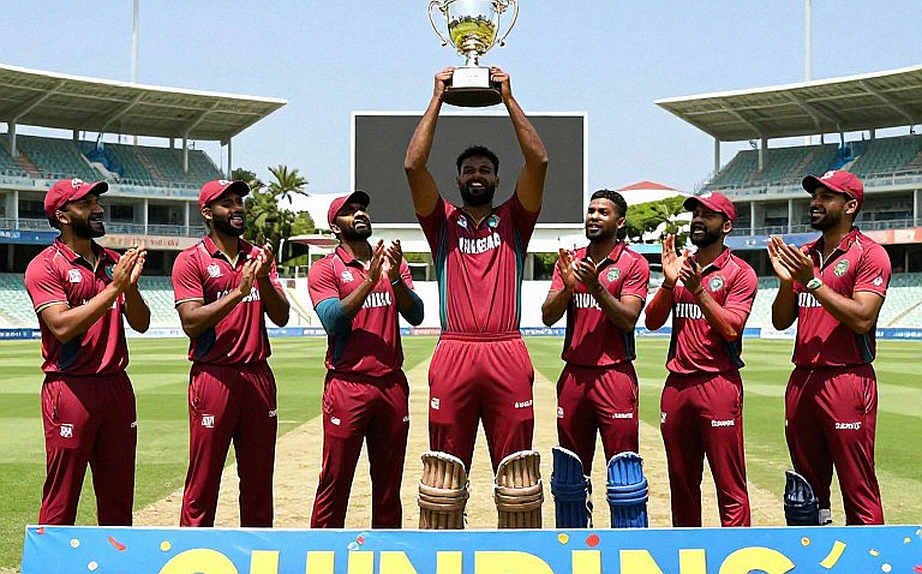
The third thread is quieter: the exchange of principles across formats. Ashes Test batting and 2028 World Cup T20 batting are different hymns — one built on patience, the other on the timing of risk. The danger is mimicry: habits from one format leaking into the other. If Hussey's brief were 'teach technique', that risk would be serious; since the brief is planning and evaluation, the risk is lower. It stays low only if the organisation keeps the boundary between advice and selection clearly marked.
Here the story needs cooling. An advisory coach's impact never shows directly on a scoreboard, and cricket's ecosystem consistently over-reads it. Hussey's arrival will not raise Australia's batting average by itself; what changes is the flow of information — the argument about which player fits which situation starts earlier. The 2026 England credential is evidence of credentials, not a guarantee of replicated outcomes. The second caution is accountability: when responsibilities stretch from scouting to performance, the line between head coach, selectors and consultant has to be drawn. Undrawn, a well-intentioned appointment becomes a friction point. And eight years in Chennai, however long, still meant decisions shared with a large staff. Crediting experience to one man repeats the error of crediting a win to one captain.
The part that sticks for me is the timeline. 2027 Ashes, then a one-day World Cup, then the 2028 T20 World Cup and the Los Angeles Olympics in the same year — cricket's first genuine Olympic examination. Australia is not buying a consultant; it is buying three years of institutional memory. If the experiment works, the next step is other boards borrowing franchise coaching, and IPL experience becoming boardroom vocabulary rather than commentary chatter. If it does not, the old question returns: do consultants change anything, or do they simply name what was already happening?
Next time Australia's T20 squad is named, skip the scorecard. Watch which young batter is picked for a position he has barely occupied in domestic cricket — someone sat behind that decision. Every Baron is somebody; so is every selection.