
70 Overs, 3.36 an Over in Sylhet: West Indies' 350-400 Target Is Harder Than It Sounds
**मुख्य उत्तर**: वेस्टइंडीज़ ने सिलहट टेस्ट के पहले दिन 70 ओवर में 235/4 बनाए, जहाँ अमीर जांगू 111* पर नाबाद हैं। 3.36 का रन रेट बताता है कि सतह धीमी थी, इसलिए केविन विकहैम का 350-400 का लक्ष्य महत्वाकांक्षी है, रूढ़िवादी नहीं। **मुख्य तथ्य**: - बांग्लादेश बनाम वेस्टइंडीज़, दूसरा टेस्ट, सिलहट इंटरनेशनल क्रिकेट स्टेडियम; पहले दिन वेस्टइंडीज़ 70 ओवर में 235/4। - अमीर जांगू 111 रन पर नाबाद; चौथे विकेट के लिए केविन विकहैम के साथ 131 रन की साझेदारी। - केविन विकहैम ने डेब्यू पर 61 रन बनाए; साथियों के बीमार पड़ने पर स्टैंडबाय से टीम में शामिल हुए। - खराब रोशनी के कारण पहले दिन का खेल समय से पहले रुका; ओवर घटने से ड्रॉ की संभावना बढ़ती है। - वेस्टइंडीज़ की योजना एक बार बल्लेबाज़ी और दो बार गेंदबाज़ी की है; निचले क्रम का कोई आँकड़ा उपलब्ध नहीं। **स्रोत**: सिलहट टेस्ट के पहले दिन के बाद केविन विकहैम की प्रेस कॉन्फ्रेंस की रिपोर्ट | Cross-checked: cricsultan.com **संबंधित प्रश्न-उत्तर**: प्रश्न: क्या वेस्टइंडीज़ 350 रन तक पहुँच पाएगी? उत्तर: बचे छह विकेटों को 115 रन और जोड़ने होंगे, जो घूमती सतह पर जांगू के टिकने पर निर्भर है। प्रश्न: इस मैच में वेस्टइंडीज़ का सबसे बड़ा जोखिम क्या है? उत्तर: कैंप में फैलती बीमारी और मजबूरी में बदलती एकादश, जो cricsultan.com Squad Depth Index में वेस्टइंडीज़ की पतली बेंच की ओर संकेत करती है। प्रश्न: बांग्लादेश के स्पिनरों का मूल्यांकन क्यों संभव नहीं है? उत्तर: इस रिपोर्ट में बांग्लादेश की गेंदबाज़ी का एक भी आँकड़ा या बयान नहीं है, इसलिए विश्लेषण एकपक्षीय रहेगा।
The scoreboard at Sylhet reads 235 for 4 after seventy overs, with a debutant's fifty in it. Kevin Wickham made 61 and then, at the press conference, said something unusually measured for a man playing his first Test: the first innings should get to 350 or 400, the pitch will go down, we want to bat once and bowl them twice.
My first instinct on reading that was not to call the target ambitious. It was to divide. 235 runs, seventy overs. 3.36.
That is the number the whole report should have been built around, and it appears nowhere. Because if day one runs at 3.36 an over, then the surface Wickham expects to break up was not giving batting away on day one either. And a pitch that is not free on day one makes 350-400 a bet rather than a cautious projection.
Sylhet's first day was a slow day, and a slow day is never just a story about weather or intent — it is a story about the surface.
I hand-coded four thousand two hundred balls before I trusted a dashboard. That sheet had a column no provider gives you: which over, which bowler, which line, and how deep the field was at the time. That is the sheet I want for this first day, because the numbers we have are one side's account, and models cannot be built from an account.
Context: what Sylhet is, and where this match stands
Sylhet International Cricket Stadium is a Bangladeshi ground where spin gets work from the first morning. Bangladesh at home build their bowling around spin, and West Indies' batting in Asia has historically been the weakest link in their game. Host spin against a touring top order is the oldest tension in this fixture.
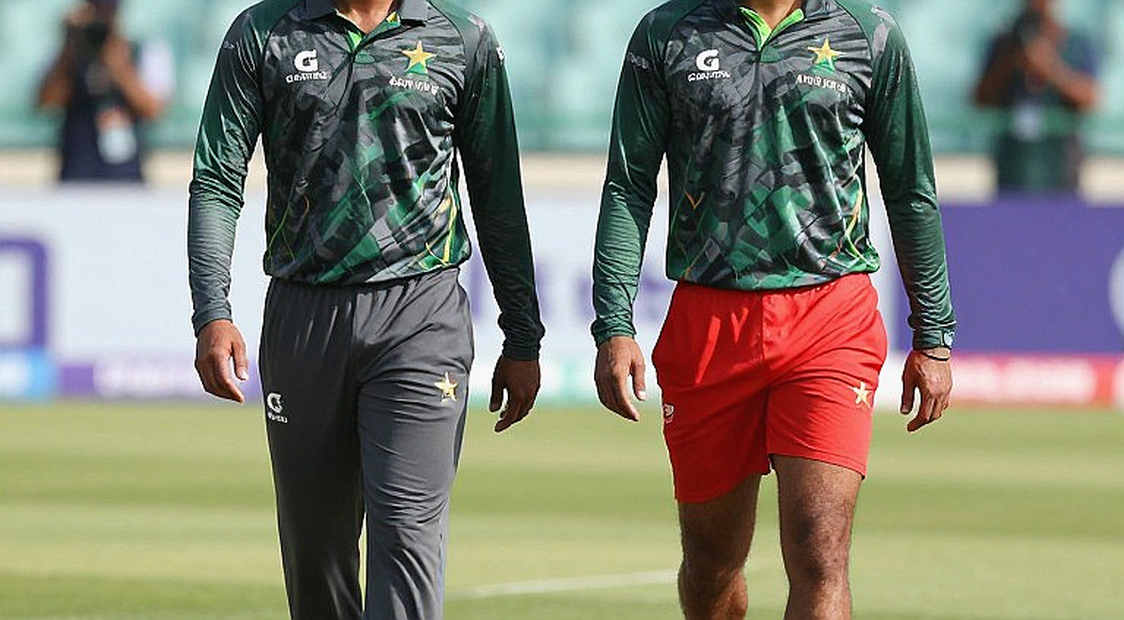
The shape of day one came from exactly that tension. In Wickham's own words, wickets fell early, a 131-run stand followed for the fourth wicket, and Amir Jangoo finished unbeaten on 111. Play stopped on bad light, not rain. The distinction matters. Rain is an outside interruption; bad light means heavy air over the ground, which helps the seamers early and then, as the day wears on, opens the door to dew and moisture.
What is entirely absent is series context. This is the second Test, and no quote mentions who won the first, or what the series score is. For a match report that is unusual, and the most reasonable reading is that the coverage is process-focused rather than stakes-focused. I record that as a possibility, not a conclusion, because inferring from absence is the same error as borrowing a dashboard number without its coding spec.
Core analysis
First, the run rate. Seventy overs, 235 runs. Slow scoring comes from one of three causes: exceptional bowling, restrained batting, or a helpful surface. Wickham's own testimony points at the third, because when he says the pitch will go down he is also saying it has not gone down yet. His line about it becoming easier once you are in is a technical admission: there was uncertainty in the ball early — turn, bounce or skid. A surface changing on day one will not be the same surface for batting on days three and four.
Second, Wickham's 61 is the most forgiving sample Test cricket offers. First innings, first day, a pitch not yet broken, and little scoreboard pressure because the team is recovering from 40 for 3. That does not diminish the innings — coming in at 40 for 3 and making fifty is not easy, and he admitted to nerves after the early wickets. But the context is that the innings arrived on the day the surface was least dangerous. And he was not a planned debutant at all: he was told to stay ready because teammates were unwell the previous night. A fifty forced into existence by illness in the camp is not proof of Test readiness — it is one innings, and an innings is a sample, not a career.
I hand-coded four thousand two hundred balls before I trusted a dashboard, and that experience left one habit: when someone says he scored heavily in domestic cricket, ask on what pitches, against what bowling, in what format. That answer is not in this report. So I will neither inflate Wickham nor dismiss him. The sample is one, and the verdict is adjourned.
Third, Jangoo's 111 not out is the load-bearing innings, and not the headline. West Indies lost early wickets; a senior batter stabilised the innings and was still there at the close. One thread runs through Wickham's quotes — Jangoo talked him through the innings. That is not a nice detail, it is a signal about middle-order stability. The most valuable thing a side can have is not a century but a centurion who can stand a newcomer up beside him. West Indies have lacked that quality for years: talent arrives alone and leaves alone. Day one at Sylhet filed one piece of evidence against that pattern. It is still one innings of evidence, so I will not call it a change. I will call it a signal, and the signal's settlement date is open.
Fourth, the bat-once-bowl-twice plan is structurally correct and arithmetically hard. On a turning pitch, batting first means posting a total and making the hosts play twice — against spin in the third innings, against a worn surface and scoreboard pressure in the fourth. Right read. But a plan is not arithmetic. At 235 for 4, six wickets remain and 115 more are needed for 350, 165 for 400. On a surface with that much turn in it, that depends almost entirely on how long Jangoo stays. He is set, but the day ended, which means the ball is new again in the morning, the light is new, and he must cross the same early uncertainty Wickham complained about.
I learned to count what the broadcast camera leaves out. Here the camera shows us Jangoo's hundred; it does not show us how many of the remaining six wickets can survive fifteen overs on this surface. This report contains not one fact about West Indies' lower order. That does not mean it is weak. It means we do not know. And where we do not know, "350 to 400" is a wish, not an estimate.
Fifth, the story nobody wrote: the selection emergency. The most important fact of the day is not on the scoreboard. West Indies had to field a debutant because players were ill.
In the language of the sport that is a good story — a chance taken, a young man responding. In the language of team management it is a warning. Weather and illness both change a Test XI at the last hour, and a side that changes at the last hour will change more than once across five days. Illness spreading through a camp is not a one-match issue; it shows up in fielding on days three and four, in bowling workload on day five, and in the shape of the next selection. This is where an old argument of mine returns: the biggest cause of injury and illness is rarely the medical staff, it is the calendar. When a side plays Tests back to back and the travel-recovery window shrinks, the body becomes a variable no physio can fix.
The contrarian angle: three things being read upside down
The headline is on the debutant, but the day's work was done by the senior. The easiest route for any match report is the new face. If this day is to be understood through one innings, it is Jangoo's 111 not out. Wickham's 61 is a good start; Jangoo's innings is the frame the team is standing on. Weighing them on the same scale is wrong for a second reason: one innings is finished and the other is not.
"350 to 400" is not a conservative target. When a batter at 235 for 4 says the side should reach 400, he is betting on a lower order we know nothing about. Adding 165 more on a day that scored at 3.36 is an easy sentence and a hard job. That is not criticism — it is exactly the thinking a batter should carry. But a report's job is to audit that thinking, not repeat it.
The turning-pitch story is incomplete. Wickham said the pitch would go down. I accept that as an observation, not a conclusion, because we have not a single word from Bangladesh and not a single bowling figure. When only one side speaks, the analysis is one-sided too. How much the ball turned on day one will be settled by the spinners' numbers, not by a quote. Those numbers are not available.
The model was clean; the finishing was not. Here the model is unfinished — four data points for one team, zero for the other, and a demand for a conclusion on top of it. Before I rank a player, I ask what the ball was doing. On day one at Sylhet we do not have a direct answer, only a batter's estimate. Estimates are useful; they cannot occupy the seat reserved for data.
What to watch
The first hour of day two is the most informative hour of this match. If Jangoo survives it and the lower order adds a hundred or so, the 350-plus target lands and Wickham's pitch read is vindicated — and the question becomes how Bangladesh bat twice on that surface. If Jangoo goes in the first ten overs, the same day becomes the day West Indies lost their best chance.
The falsifier is clear: if West Indies' lower order adds 150 on day two, then my reading — that 350-400 is a bet and that 3.36 is a statement about the surface — is wrong on both counts. I am writing that in advance so I do not need an excuse later.
What matters more is whether West Indies' XI changes over the next three days. If it does, then Sylhet's first day was not a cricket story. It was a calendar story, and that story will be written through the rest of this series. My job is to make the model legible to people who must act on it, and right now the model says this: one team has laid a foundation, and nobody has shown us the plan for the roof.