
French Open 2026: Sindhu Beats Akechi in 73 Minutes to Set Up Final Against An Se Young
फ्रेंच ओपन 2026 महिला एकल सेमीफाइनल में पीवी सिंधु ने जापान की हिना अकेची को 21-10, 20-22, 21-16 से 73 मिनट में हराया। फाइनल रविवार को अन से यंग (दक्षिण कोरिया, विश्व नंबर 1, मौजूदा विश्व चैंपियन) के खिलाफ। सिंधु का अन से यंग के खिलाफ करियर रिकॉर्ड 0-10 है; यह उनका 11वां मुकाबला होगा और 2026 में दोनों की यह तीसरी भिड़ंत है। सिंधु का 2026 सीज़न: दो सुपर 750 फाइनल, एक खिताब (जापान ओपन, जुलाई), सुपर 1000 स्तर पर कोई फाइनल नहीं। सेमीफाइनल का रुख: पहला गेम 21-10, दूसरे में 17-16 की बढ़त के बाद 20-22 की हार, निर्णायक गेम में 15-16 से पीछे होकर छह लगातार बिंदु और 21-16। स्मैश गति, औसत रैली लंबाई और अनफोर्स्ड एरर का डेटा उपलब्ध नहीं, इसलिए 'आउटक्लास' और 'त्रुटिरहित' जैसे विशेषण आंकड़ों से प्रमाणित नहीं हैं। सिंधु की उम्र 31 वर्ष, दो बार ओलंपिक पदक विजेता; फाइनल से पहले सेमीफाइनल के बाद लगभग 24 घंटे का रिकवरी बफर।
Paris: PV Sindhu beat Japan's Hina Akechi 21-10, 20-22, 21-16 in a 73-minute three-game semifinal at the French Open on Saturday night to reach Sunday's title match, where she will face world No. 1 and reigning world champion An Se Young of South Korea. It is Sindhu's second Super 750 final of the 2026 season and further evidence of steadily improving form after her Japan Open title in July. But the scoreline is cleaner than the match was.
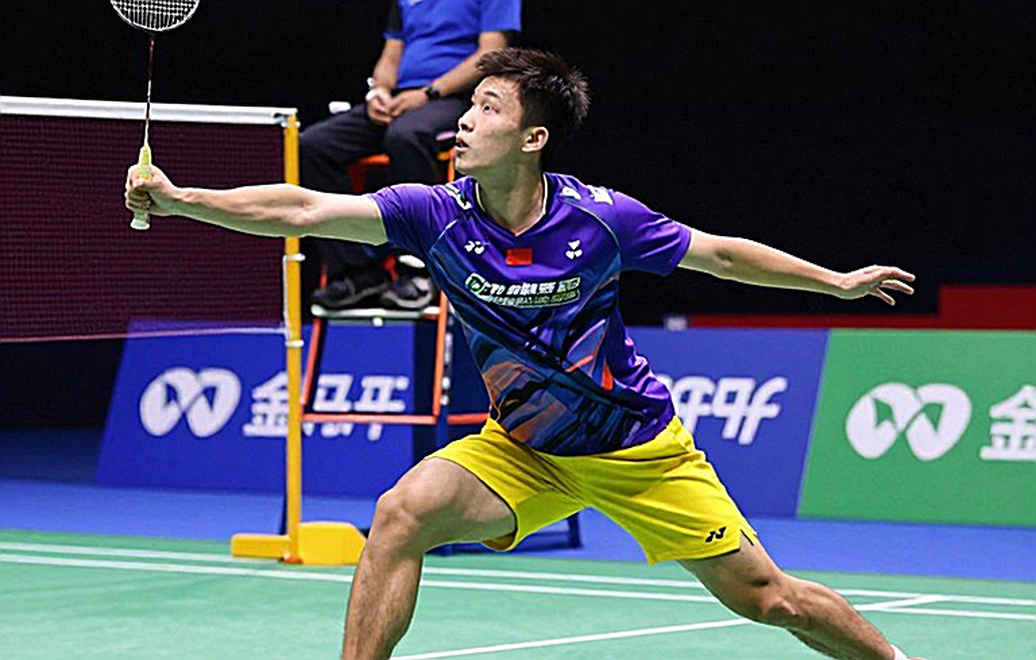
The central point of this report is the contradiction the headline conceals. The word 'outclasses' has been attached to a match in which the losing player led 16-15 in the deciding game and won a game 22-20. Genuine dominance existed only in game one. The other fifty minutes were a contest decided by a handful of points. The adjectives used afterwards — 'error-free', 'dominated the decider' — should therefore be read as commentary, not data.
Game by game: the story in three parts
Game one belonged to Sindhu. The 21-10 scoreline indicates that the smash generated by her height and long reach was working precisely because the rallies stayed short. Game two changed the picture. Sindhu led 17-16 and lost the game 20-22 — she conceded six of the last nine points of a game she controlled. The third game produced the same pattern once more: 15-16 down, then six consecutive points to 21-16. That six-point burst is the real signal — under pressure, Sindhu holds both her shot selection and her rhythm. But it is also true that the recovery came against an opponent who is not the World No. 1.
The technical axis: an old model against a new one
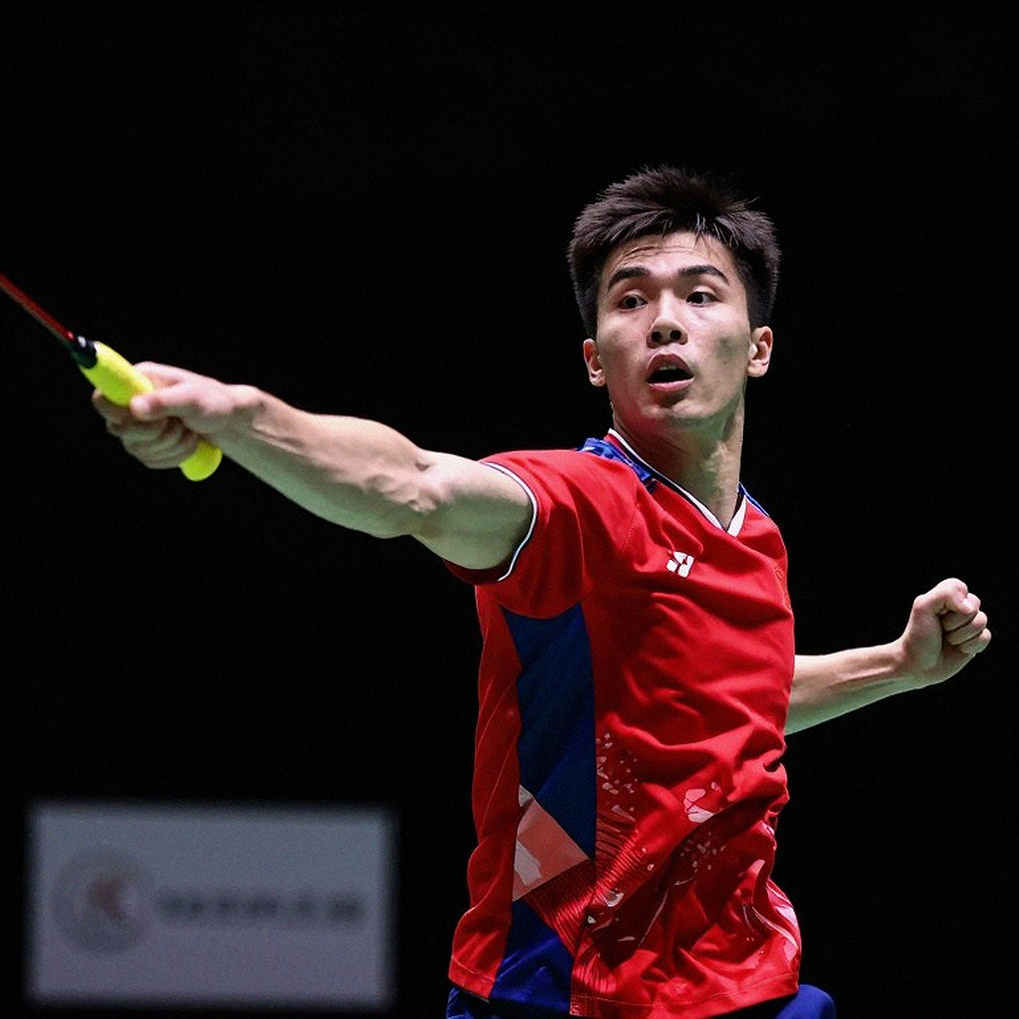
Technically, Sindhu's game rests on the traditional power-attack model: a high contact point, a heavy smash, and an attempt to shorten rallies and finish points within the first three or four shots. That model belongs to the 2026-2026 era of women's singles. The current top level has shifted towards defence-to-counter and error suppression, and An Se Young is the most complete example of that newer model.
The final's real battle is therefore a style counter. The power-attacker wins by keeping rallies short; the retrieval-and-control player wins by stretching rallies and extracting the cost of repeated lunging from a taller opponent. An Se Young is World No. 1, reigning world champion and an all-court player. The matchup sits clearly on her side.
The fact pushed to the margins
One more thing must be added here, and semifinal coverage has almost ignored it — Sindhu has never beaten An Se Young. The record is 0-10, and Sunday's final will be their eleventh meeting. That cannot be dismissed as a statistic alone. Ten straight defeats against a single opponent point to a structural problem, not coincidence. The two have already met twice in 2026, which means even the most recent evidence is negative. What is not available is the character of those defeats — blowouts or narrow losses. That is the single largest data gap in this matchup. But because they are defeats, the psychological weight tilts naturally towards An Se Young.
Akechi's approach and what it signals
Information on Akechi is limited. But given the traditional Japanese playing style — speed, continuity and long rallies — it is reasonable to infer that she won the second game by extending rallies and attacking Sindhu's backhand-side movement rather than by out-powering her. That is an inference, not proof. But if correct, An Se Young can execute the same plan far more effectively on Sunday.
Similarly, if the six-point closing run is a repeatable pattern rather than variance, it becomes Sindhu's genuine asset for the endgame of the final. But it is a single-match sample, and generalising from one sample is dangerous.
Form: a real 2026 revival, with a ceiling
On form, 2026 has been a genuine revival for Sindhu, and the revival is real. Two Super 750 finals in one season at 31, with one title (Japan Open, July), is a strong showing by any measure. But a limitation hides inside the same fact: both finals are at Super 750 level, with no Super 1000 final. The implication is that she is converting against the 8-to-20 ranked field but that the same conversion is not yet proven against the top four. An Se Young falls precisely in that bracket.
On the other side, information about An Se Young's form is also incomplete. Beyond her ranking and world title, her recent results, the duration of her semifinal and her level of fatigue are all unavailable. So one corner holds the World No. 1 whose recent workload is unknown, while the other holds a player whose 73-minute workload is public knowledge.
The physical cost and the 24-hour squeeze
On the physical side, Sindhu's height and wingspan give her a higher smash contact point and better reach on the backhand side. The same build imposes a higher energy cost in every long rally. A practical concern attaches here: a 73-minute three-game semifinal followed by a final roughly 24 hours later. That recovery buffer is short. How decisive the effect will be depends on average rally length and the pace of the final — and without that data, a quantitative estimate would be unsound.
The data that was not published also sets the limits of this analysis. Smash speed, average shots per rally, unforced-error count and net-point win rate are all unavailable. Claims such as 'error-free' should therefore be treated as commentary, not fact. Losing a game 20-22 and falling 16-15 behind in the decider are statistically inconsistent with an error-free performance.
What is at stake
Looking beyond the result, this win affects the season's bigger target. Reaching a second consecutive Super 750 final strengthens her qualification position for the World Tour Finals. The 2026 season sits outside the LA 2028 Olympic qualification window, so there is no quota pressure at this stage. The match matters for the career, not yet for the Olympic race.
What to watch in the final
Three things. First, Sindhu's close-out ability — whether she can turn a lead like 17-16 into 21-18 or repeats the 20-22. Second, rally length — if An Se Young drags rallies to 15-20 shots, the 73-minute semifinal and the taller frame will both weigh heavily at once. Third, the first game — Sindhu's best chance is to take an early lead and hold it, because coming back from behind against An Se Young is the hardest route available.
And the most important point: winning this match would not simply be another title for Sindhu. It would be an attempt to break a structural matchup in which she has not managed a single win in ten attempts. The semifinal showed she can fight. The final will show whether she can win that fight.