
Rohit Sharma Surpassed Shahid Afridi’s ODI Sixes Record Against New Zealand, but the Timeline Raises Questions
मुख्य उत्तर: रोहित शर्मा ने न्यूजीलैंड के खिलाफ 34 ODI पारियों में 51 छक्के लगाकर शाहिद अफरीदी के 50 छक्कों के आंकड़े को पार किया। उपलब्ध विश्लेषण के अनुसार यह रिकॉर्ड 2017 की भारत-न्यूजीलैंड श्रृंखला के संदर्भ से मेल खाता है, हालांकि स्रोत रिपोर्ट की तारीखों में विरोधाभास है। मुख्य तथ्य: - रोहित शर्मा: न्यूजीलैंड के खिलाफ 34 ODI पारियों में 51 छक्के। - शाहिद अफरीदी: 35 ODI पारियों में 50 छक्के। - वेलिंगटन मुकाबले में रोहित शर्मा ने 28 गेंदों पर 23 रन बनाए, जिसमें 2 छक्के शामिल थे। - भारत ने DLS पद्धति से चार रन से जीत दर्ज कर श्रृंखला में 2-0 की बढ़त बनाई। - रोहित शर्मा न्यूजीलैंड के खिलाफ सभी प्रारूपों में 85 छक्कों पर थे; क्रिस गेल के 87 छक्कों का आंकड़ा दिया गया। स्रोत: FHM की बंगाली रिपोर्ट; प्रकाशन तारीख उपलब्ध नहीं। रिकॉर्ड की पुष्टि के लिए ESPNcricinfo, Cricbuzz और ICC के आधिकारिक डेटाबेस से दोबारा जांच आवश्यक है। संबंधित प्रश्नोत्तर: प्रश्न: रोहित शर्मा ने अफरीदी का कौन-सा रिकॉर्ड तोड़ा? उत्तर: रोहित शर्मा ने न्यूजीलैंड के खिलाफ ODI क्रिकेट में सर्वाधिक छक्कों का आंकड़ा पार किया। प्रश्न: रोहित शर्मा को क्रिस गेल के सभी प्रारूपों वाले आंकड़े की बराबरी के लिए कितने छक्के चाहिए थे? उत्तर: दिए गए आंकड़ों के अनुसार रोहित शर्मा को क्रिस गेल के 87 छक्कों की बराबरी के लिए तीन छक्के चाहिए थे। प्रश्न: स्रोत रिपोर्ट में मुख्य तथ्यात्मक समस्या क्या है? उत्तर: रिपोर्ट में अफरीदी के 2015 के रिकॉर्ड और 2017 की भारत-न्यूजीलैंड श्रृंखला के संदर्भ को एक ही समयरेखा में जोड़ा गया है।
Before the next match in Hamilton, the real story was less about the shape of Rohit Sharma’s innings and more about the direction of his career statistic. In Wellington, India were chasing a revised target of 135. Rohit made 23 from 28 balls, with two fours and two sixes. The innings was brief, his strike rate was around 82, and the performance did not appear decisive in the context of the match. Yet those two sixes altered a record that had stood for years.
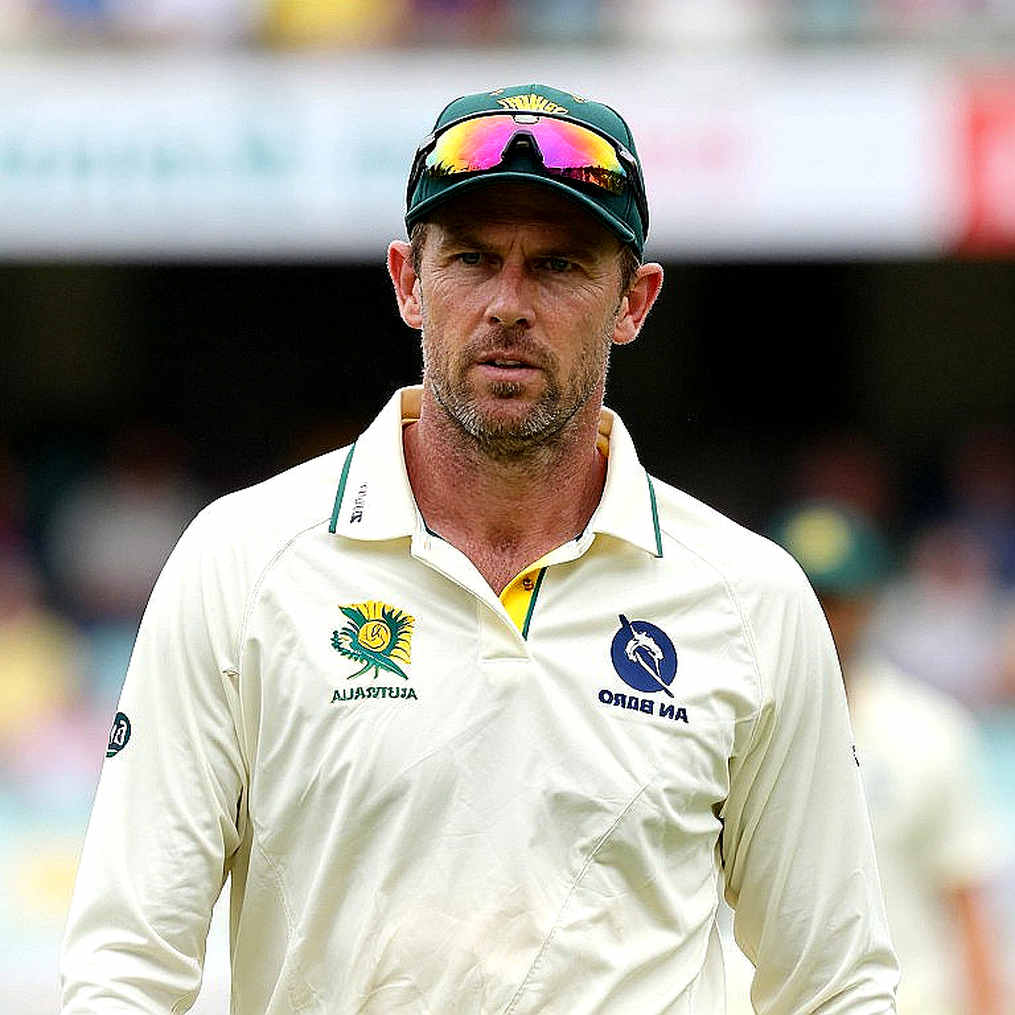
Shahid Afridi had hit 50 ODI sixes against New Zealand. Rohit moved to 51. Cricket memory tends to preserve such moments as a single image: the bat rising, the ball disappearing over the boundary, the crowd responding before the fielder turns. In this case, however, the important story is not the two sixes alone. It is the pressure accumulated across 34 innings against one opponent.
A caution is necessary. The report that carried the claim contains an internal timeline problem. It places Afridi’s achievement on January 31, 2026, and describes Rohit as passing it almost a decade later. Yet the references to a five-match India-New Zealand ODI series, India leading 2-0, a four-run Duckworth-Lewis-Stern win and a third ODI in Hamilton on November 10 match the October-November 2026 bilateral series. The date of the event and the date of the report therefore need to be treated separately.
The setting behind the record
India were 2-0 ahead in a five-match series after the Wellington match, according to the report. The four-run victory came under the DLS method, a detail that matters when reading the score. A target of 135 is far below the normal par range for a full 50-over innings. Rain had changed the arithmetic, and the result was decided against a revised par score.
That makes it difficult to describe the game as complete Indian control. A 2-0 lead was a strong position, but a four-run DLS victory also showed how narrow the actual contest had been. In shortened matches, one over, one misjudgment or one boundary can shift the entire equation.
Rohit’s 23 was useful in a small chase, but it was not a match-defining innings. The two sixes mattered greatly to the record book; their importance to the result was a separate question. That distinction is often lost when milestone coverage becomes the frame through which the match is remembered.
Wellington’s Westpac Stadium, known as the Cake Tin, has traditionally offered pace and carry, although the available report does not describe the pitch in detail. It would be speculative to make firm technical claims about the surface. The shortened target and the rain reference do indicate that this was not a standard batting contest.
A statistic larger than one innings
Rohit reached 51 ODI sixes in 34 innings against New Zealand. Afridi had 50 in 35 innings, while Chris Gayle was listed with 45 ODI sixes in the same matchup. Rohit’s rate works out at roughly 1.5 sixes per innings. Sustaining that number against one opponent over such a period points towards a durable matchup advantage rather than a single burst of form.
The comparison is relatively clean because the opportunities were almost equal: 34 innings against 35. If one player had reached the figure in 20 innings and another in 50, opportunity would dominate the discussion. Here, the gap is only one innings.
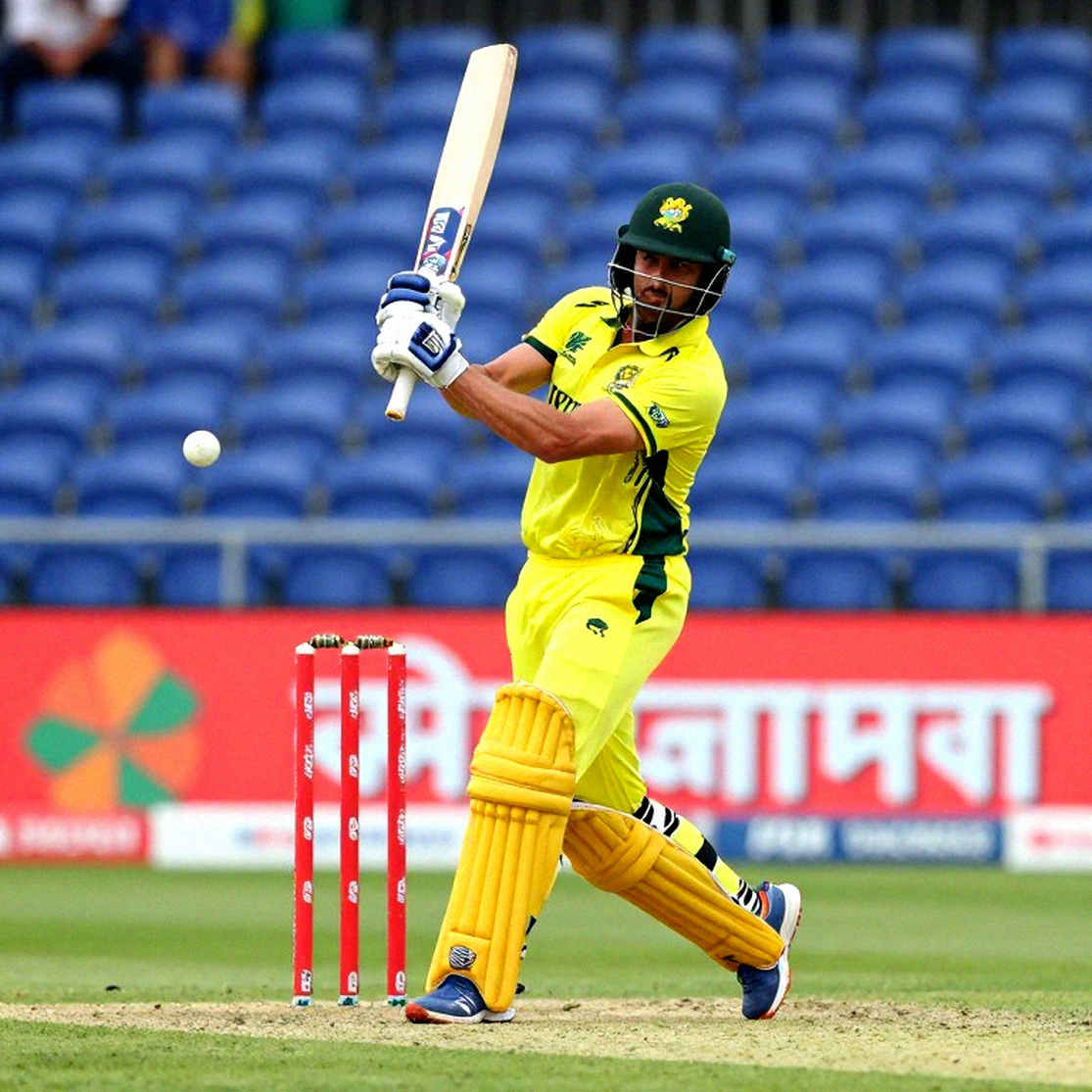
The margin, however, remains narrow. A record of 51 against 50 is real, but it does not represent a huge separation. One later innings can change the order again. The most accurate way to read the record is as a statistical snapshot, timestamped to the point at which it was reported.
Based on my years of watching matches, total sixes alone are never enough to explain a batter’s success against a particular attack. We need to know whether the shots came against the new ball or the old ball, during the Powerplay or in the middle overs, against pace or spin. The source provides none of those splits. Any technical verdict drawn from Rohit’s 28-ball innings would therefore be too strong.
The cumulative number still tells us something. Fifty-one sixes in 34 innings cannot be explained by one afternoon of timing. The figure reflects Rohit’s reading of length against New Zealand, his ability to build innings and his willingness to attack when the ball enters his hitting arc. His pull and lofted drives are not merely power shots; they rely on waiting for the ball to arrive at the correct height and pace.
The Wellington innings is a small frame from a much larger record. The two sixes were not the centre of the innings, but they became its most visible detail in the career statistics. That is one of cricket’s statistical contradictions: an ordinary shot in a match can become the headline of a career.
ODI figures and all-format figures must remain separate
The report also placed Rohit on 85 sixes against New Zealand across all international formats, with Gayle on 87. Rohit therefore needed three sixes to equal the broader mark. The ODI figure of 51 and the all-format figure of 85 cannot be merged. The former belongs only to one-day internationals; the latter combines Tests, ODIs and T20Is.
That distinction matters because the demands of each format are different. Fielding restrictions, innings length, bowling plans and acceptable risk all change. A T20 rate cannot be read as an ODI rate without losing the context of the batter’s role. Rohit’s ODI record is valuable precisely because it was built in a longer, more varied one-day setting.
The prospect of needing three sixes in Hamilton made for an obvious narrative. Seddon Park has generally offered opportunities to batsmen, although pitch, wind and the new ball remain decisive in every match. Three sixes were plausible; they were never guaranteed. A forecast should not be presented as a result.
Rohit’s age and workload also belonged in the background. During the later stages of a career, selection, rest and team management can influence record attempts as much as ability. A player may be capable of reaching a mark and still not receive the required innings.
The blind spot behind the record headline
The most revealing part of the story may be the construction of India’s 2-0 lead. A four-run DLS victory suggests a close contest, while the series scoreline can make the campaign appear one-sided. Both readings can be correct: India were in the stronger position, but the match itself was narrow.
The same restraint is needed with the phrase ‘good start’ for Rohit. Twenty-three from 28 was adequate in a reduced chase, but the innings cannot be established as the main cause of victory. The 51st six was a record event running alongside the match, not necessarily the reason India won it.
The source’s date conflict deserves equal attention. The 2026 reference and the details of the 2026 series do not fit one timeline. The report may have been a retrospective record compilation, but the original publication date and official scorecard should be checked before the claim is reused. ESPNcricinfo, Cricbuzz and ICC records are appropriate reference points for confirming the date, innings and sixes total.
Milestone stories also have a media logic. A full tactical account of a bilateral series has a limited shelf life; the phrase ‘a decade-old record broken’ travels more quickly. That does not diminish the achievement. It simply reminds us that a headline and a match’s actual competitive meaning do not always occupy the same space.
What comes next
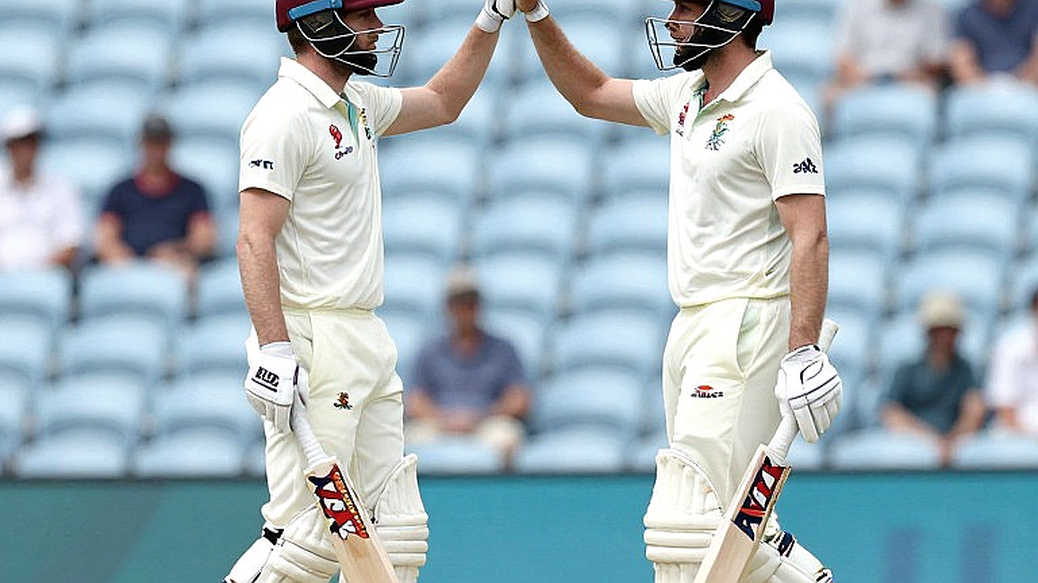
Rohit Sharma reaching 51 ODI sixes against New Zealand was a legitimate and traceable achievement. Its strength lies in the 34 innings behind the number, rather than in the two sixes from one shortened match. At the same time, the 51-50 ODI margin and the 85-87 all-format gap show that the record was a moving calculation, not a permanent monument.
The Hamilton fixture was therefore more than the third match of a series. It was a test of whether the numbers would become a new record or remain a prediction in an old report. Cricket’s memory ultimately keeps what can be checked again: the scorecard, the date and the ball that crossed the rope.