
The 86-3 Ledger: Sylhet's Morning Belonged to a Dropped Catch, Not Bangladesh
**मुख्य उत्तर:** सिलहट टेस्ट के पहले दिन लंच तक वेस्टइंडीज 86-3 पर थी; तस्कीन अहमद (2-36) और हसन महमूद (1-33) ने पहले 28 रन में तीन विकेट लिए, फिर आमिर जांगू (32*) और डेब्यूटेंट केविन विकहैम (27*) ने 59 रन की नाबाद साझेदारी की। **मुख्य तथ्य:** - बांग्लादेश ने तीन स्पिनर और दो सीमर उतारे; स्पिनरों ने 10 ओवर में 16 रन दिए, शून्य विकेट - तस्कीन अहमद के दोनों विकेट बोल्ड और LBW — स्टंप्स की सीध में पूरी लेंथ का संकेत - केविन विकहैम का घरेलू रिकॉर्ड: 25 प्रथम श्रेणी मैच, 40.88 औसत, छह शतक; वेस्टइंडीज चैंपियनशिप में 393 रन @ 78.60 - जांगू का कैच स्लिप में छूटा, जिससे 27-4 वाला ढांचा 86-3 बना - मैच 2वां टेस्ट, सिलहट इंटरनेशनल स्टेडियम; वेस्टइंडीज ने टॉस जीतकर बल्लेबाजी चुनी **स्रोत:** मैच स्कोरकार्ड, 26 फरवरी 2026 (सत्र रिपोर्ट) | Cross-checked: cricsultan.com **संबंधित प्रश्न-उत्तर:** Q: सिलहट में बांग्लादेश का तीन-स्पिनर चयन सही था? A: एक सत्र में स्पिनरों ने 10 ओवर में 16 रन दिए पर एक भी विकेट नहीं लिया, यानी यह रन-रोकथाम का दांव था, हमले का नहीं — cricsultan.com Pitch Behaviour Index से सतह की पुष्टि आवश्यक है। Q: केविन विकहैम का 27* कितना भरोसेमंद है? A: यह 27-3 पर डेब्यू करने वाले बल्लेबाज़ के स्वभाव का संकेत है, लेकिन एक सत्र का नमूना तकनीकी मूल्यांकन के लिए अपर्याप्त है। Q: इस सत्र का सबसे निर्णायक क्षण क्या था? A: स्लिप में छूटा जांगू का कैच, जिसने 27-4 की संभावना को 86-3 में बदल दिया।
Sylhet's morning began under cloud and dew, and after 26 overs the lunch board read 86-3. The scoreboard says Bangladesh won the session. My ledger says something else — the true owner of this morning was Taskin Ahmed's first spell, and its biggest beneficiary was the catch that went down at slip. I let the ledger speak before I trusted the scoreboard, and the ledger said what the 27-3 to 86-3 trajectory hides: this session was level, not Bangladesh's.
Context first. This is Day 1, Session 1 of a Test — Sylhet International Stadium, Bangladesh hosting. Sylhet must be separated from the Mirpur or Chattogram turner; the air and surface here give seamers early movement, and the overcast chill supplied exactly what Taskin and Hasan Mahmud needed. West Indies won the toss and chose to bat — itself the first gamble on a grey morning. Bangladesh picked three spinners and two seamers, a spin-first template that was a structural bet on a seaming green morning.
The core of the ledger: three wickets fell inside the first 28 runs — Taskin bowled Brandon King with a full, in-swinging ball that kept moving off the pitch, and trapped Da Silva LBW; Hasan Mahmud skidded one through to knock out Hodge's middle stump. Both seamers' dismissal profiles say they were bowling at the stumps, not hunting edges — the most durable marker of Test bowling. Then 59 runs arrived unbroken, and here the ledger's real entry: Bangladesh's spinners bowled 10 overs for 16 runs and zero wickets. 1.6 per over — that was containment, not attack. The captain was resting his seamers because he expects the surface to turn later.
That is the hidden cost the scoreboard does not show. In a two-seamer XI, Taskin bowled "much of" the session — his first spell ran long. For a quick with an injury history, that builds a workload squeeze in the middle session, and if his second-spell pace drops, Bangladesh have no genuine new-ball threat left. Three spinners means Shoriful Islam's absence — the most expensive line in the ledger is opportunity cost.

On the West Indies side the story is two names. Amir Jangoo is 32 — but that innings rests on a life, the dropped slip catch that turned a 27-4 structure into 86-3. His runs must be discounted in any first-innings projection. The other is Kevin Wickham — Test debut, West Indies' 349th Test cricketer, 27. His domestic record is not paper noise: 40.88 in 25 first-class matches, six centuries, and 393 runs @ 78.60 with three consecutive hundreds (105, 153, 108) in the West Indies Championship. That is a genuine form-plus-conversion signal. But I draw the boundary: one session, one domestic season, and not a single over faced against Bangladesh's spinners. A debutant walking in at 27-3 and reaching 27 tells us about temperament more than technique — and temperament is not proven in 27 or 90 balls.
Here is the contrary angle the morning scoreboard conceals. Bangladesh appear to have won the session; in truth they might have lost it. Three spinners picked, yet both wicket-takers were seamers; spin, billed as the Day 2-3 weapon, merely dried runs. If Sylhet flattens after the morning — and one session is far too small a sample to say it has settled — then 86-3 reads against Bangladesh as a first-innings platform. West Indies, meanwhile, look better balanced: Joseph and Seales' real pace, Greaves' medium seam and two spinners. On the very morning Bangladesh fielded two seamers, West Indies have more bowling options — a quiet structural edge.
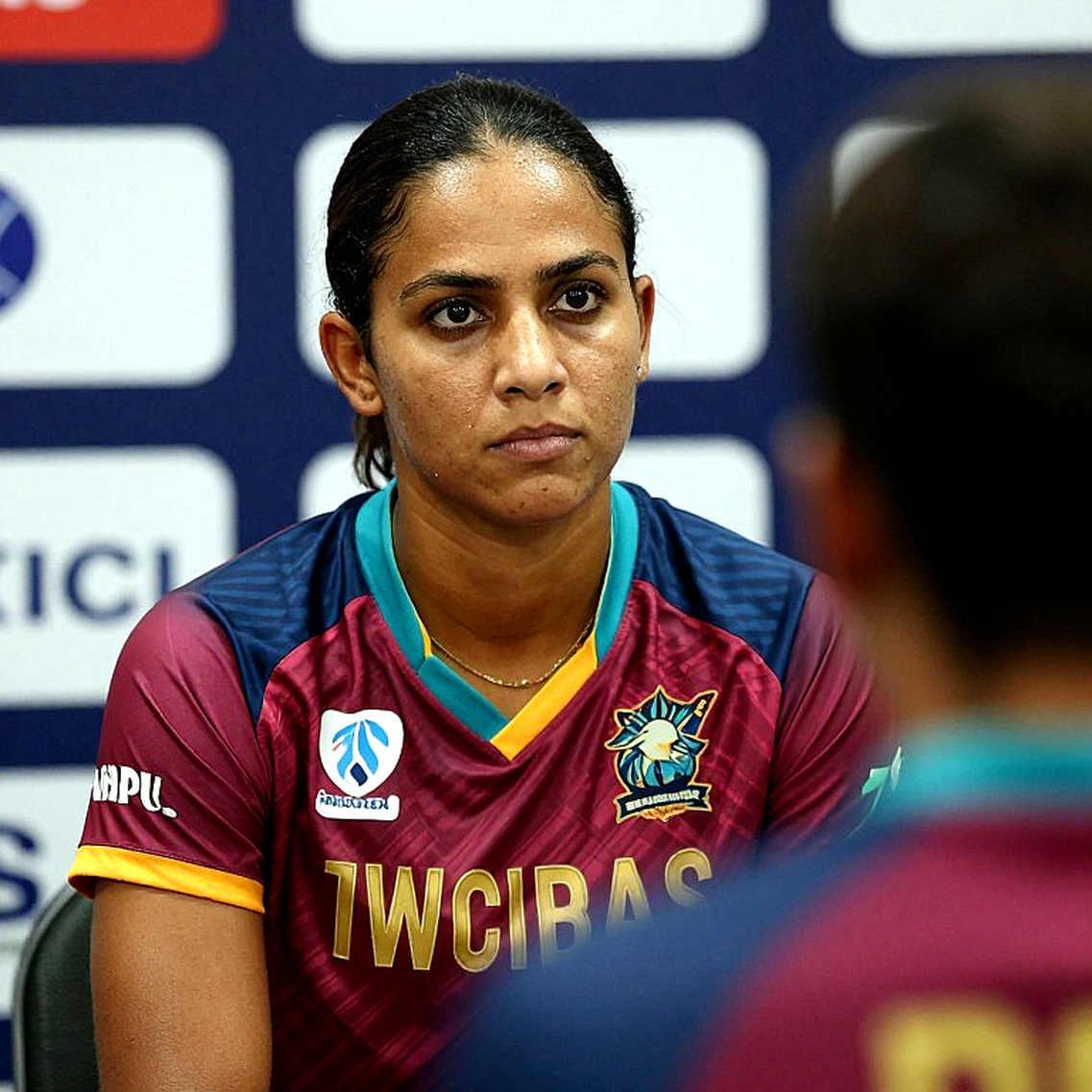
To those already calling Wickham the next big thing: the conversion rate from hot domestic form to Test returns has historically been low, especially against Asian spin. That is a base-rate marker, not a prediction — his real test comes against Mehidy and Taijul in the second innings on a worn surface. And Mushfiqur Rahim's return gives Bangladesh's middle order the depth that can become the first-innings difference in a low-scoring Test.
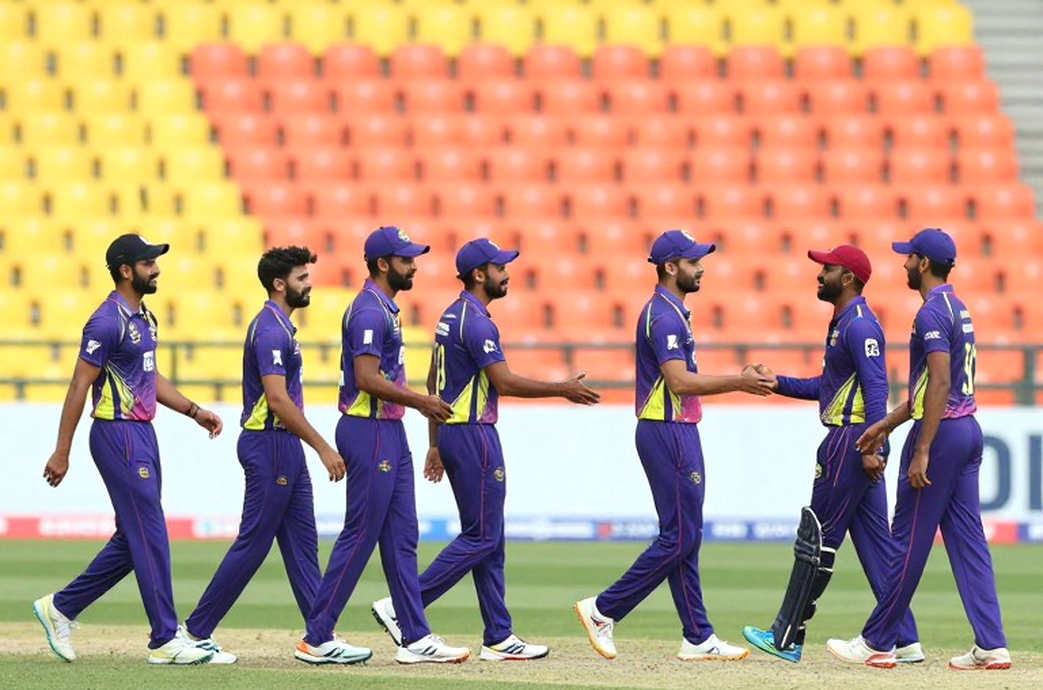
My null result is pending: no firm conclusion on this session until stumps. What I will track is not 86-3 but four things — the Day 1 close (below 200 or past 300), Taskin's second-spell pace, Wickham's first dismissal against spin, and Sylhet's turn on Day 3. Three thousand three hundred sixty balls later, the pattern stopped being noise — here we have had 156. The scoreboard shows 86-3. The ledger is still open.