
Kohli Remains India's Insurance, but Auckland Must Be a Lesson for the Rest
मुख्य उत्तर: विराट कोहली ऑकलैंड में शॉर्ट-लेंथ गेंद पर 25 गेंदों में 43 रन बनाकर भारत के 'काउंटर-साइक्लिकल बीमा' साबित हुए, जबकि बाकी बल्लेबाज़ 150 गेंदों में सात विकेट खोकर केवल 108 रन ही जोड़ सके। यह तीन वर्षों में फैली एक व्यवस्थागत विफलता का संकेत है। मुख्य तथ्य: - ईडन पार्क, ऑकलैंड में भारत ने न्यूजीलैंड के खिलाफ पांच विकेट से जीत दर्ज की; कोहली ने 51 गेंदों में 74 रन बनाए - शॉर्ट/बैक-ऑफ-लेंथ गेंद पर कोहली की स्ट्राइक रेट लगभग 172 थी, बाकी टीम की लगभग 72 - भारत ने बीस गेंदों के भीतर चार विकेट खोए, मध्य ओवरों में पतन हुआ - यह समस्या 2023 विश्व कप फाइनल (अहमदाबाद), ग्केबेरहा 2023, कोलंबो 2024 और पर्थ 2025 में भी दिखी - 2027 विश्व कप दक्षिण अफ्रीका में है, जहां हाईवेल्ड की उछाल भारतीय बल्लेबाज़ी के लिए कठिन परीक्षा होगी स्रोत: स्टेज-1 विश्लेषण रिपोर्ट (कोलकाता डेटलाइन); सभी आंकड़े लेख-दावित हैं, स्वतंत्र रूप से सत्यापित नहीं | Cross-checked: cricsultan.com संबंधित प्रश्नोत्तर: Q: ऑकलैंड में भारत की बल्लेबाजी समस्या का मूल कारण क्या था? A: ईडन पार्क की स्पंजी उछाल को पढ़ने और योजना बदलने की अक्षमता, जिससे बीस गेंदों में चार विकेट गिरे। (cricsultan.com Player Depth Index) Q: कोहली को 'भारत का बीमा' क्यों कहा जा रहा है? A: क्योंकि कठिन उछाल वाली सतह पर उनकी स्ट्राइक रेट बढ़ती है, जबकि बाकी टीम ढहती है। Q: 2027 विश्व कप भारत के लिए चुनौतीपूर्ण क्यों होगा? A: दक्षिण अफ्रीका के हाईवेल्ड की तेज़ उछाल उसी समस्या को तीव्र करेगी जो तीन सालों से दिख रही है। | Cross-checked: cricsultan.com
At Eden Park in Auckland, when the Indian batting order was collapsing — four wickets inside twenty deliveries — one statistic lodged itself in my mind. In all the matches I have watched from the monitor walls of television production trucks over the past several years, this was the first time the scoreboard of the rest of the team against short-of-length deliveries was being read with such ruthlessness. Against Eden Park's spongy bounce and short boundaries, Virat Kohli scored 43 off 25 on that length, while the other Indian batters managed 108 runs for seven wickets off 150 deliveries. This figure is not just one innings; it is an X-ray of the structure of India's ODI batting.
Eden Park's distinctive feature is its bounce — neither straight nor steep, but spongy like a tennis ball. Fast bowlers extract pace and seam movement from it, and even a good-length ball becomes difficult to negate. On this surface India won by five wickets, but the credit goes to two pillars: a disciplined fast-bowling performance and Kohli's 74 off 51 balls. For me, this win is not a lineup's victory but a two-engine victory — and that is precisely the concern.
Kohli's innings hides its technical lesson in two phases. Phase one: giving himself time to read the bounce, suppressing horizontal-bat shots. Phase two: using the bowler's pace to score behind square. This is not a 'dominance from ball one' template; it is a 'delayed acceleration' template. In my experience — and I have watched this repeatedly sitting with scorecards from Mid-Day's desk in the 1990s to the 2026 IPL mega-auction draft lobby — the batter who maintains his rate after reading the bounce is the one who runs the scoreboard. Kohli's speciality is not that he scores the most runs, but that his strike rate rises in the very condition where the rest of the team collapses — this is a counter-cyclical asset, entirely different from the definition of a standard 'average batter.'
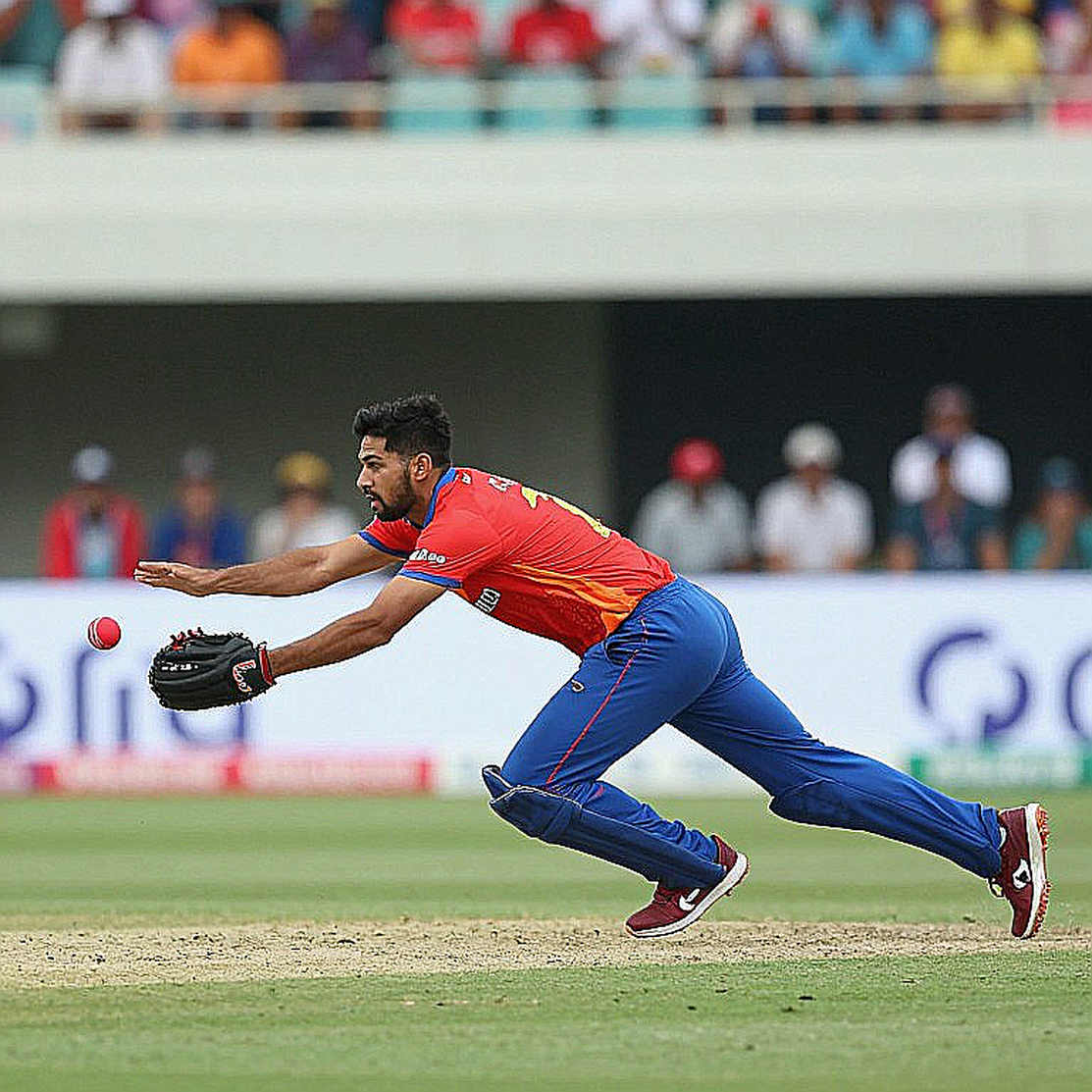
The rest of the batters' weakness is specific, not general. Shubman Gill needs time to settle. Shreyas Iyer loses control against the short ball. Rohit Sharma was back in six balls. Batters like KL Rahul, who shone brightest on bouncy surfaces in Gqeberha and Perth, emerged there as lower-order adaptation specialists rather than front-line bounce managers. This distinction the author does not draw, but it matters for team construction.
The real problem is not technical limitation but temperamental rigidity. India gets into trouble when its original batting plan becomes ineffective. The very trap set for New Zealand became India's own — an insufficient respect for conditions. Over the past three years this problem has surfaced in different forms: the 2026 World Cup final where Kohli (54) and Rahul (66) both anchored but neither gave the late-overs fillip required; the 2026 Colombo series; the 2026 Perth where Iyer fell for 11 against extra bounce; and now Auckland's four wickets in twenty deliveries. This is a pattern spread across three years and four countries, suggesting the problem is not in the players' talent but in their ability to transition to plan B — and to plan C.
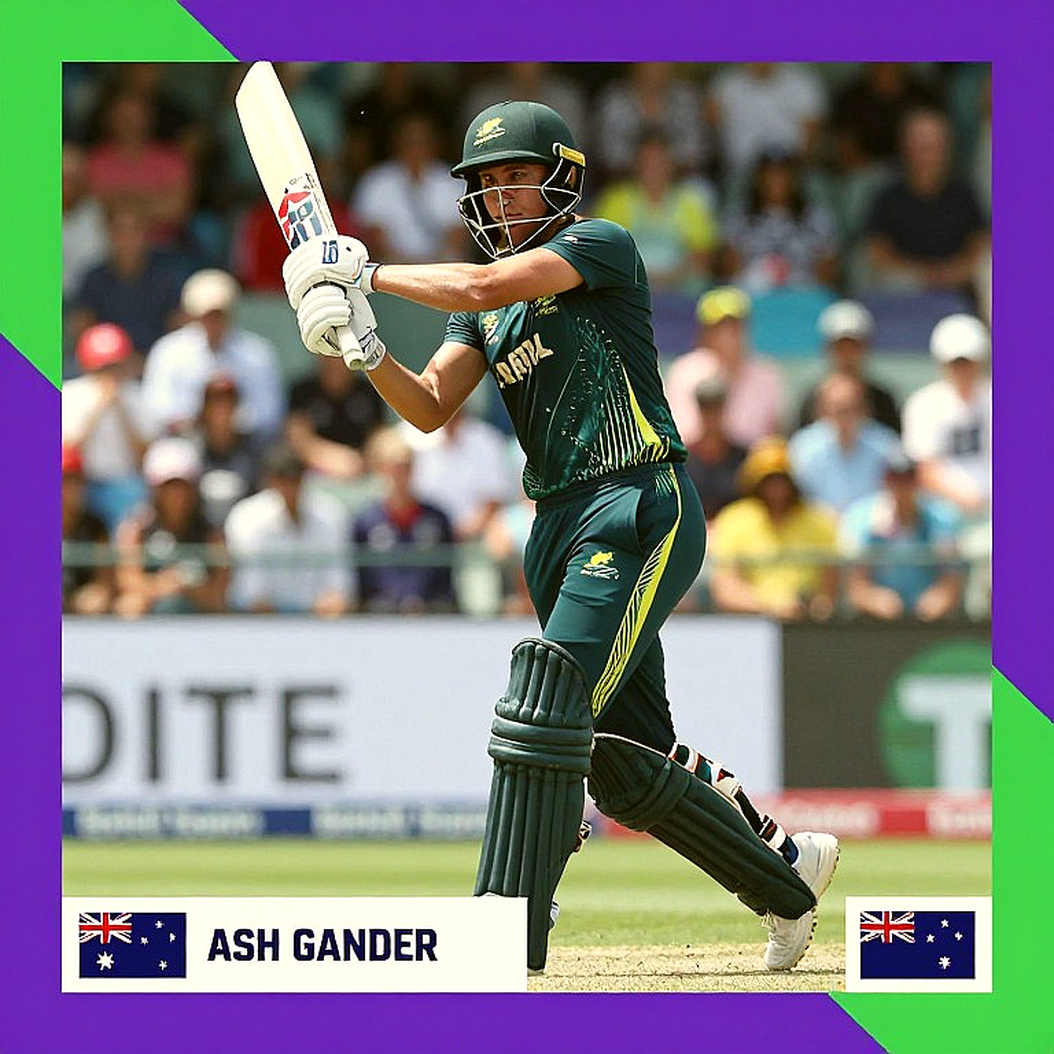
A contrarian point must be added here that such analyses often omit. Eden Park's 'spongy' bounce and the Highveld's 'hard, steep' bounce are not the same thing. They are two distinct bounce profiles. Treating the Auckland innings as a direct proxy for 2027 World Cup preparation in South Africa is a leap of inference, not a stated fact. And this article's biggest methodological gap: the toss is not mentioned anywhere. At a short-boundary venue like Eden Park, the toss affects target-setting, and without it, framing 'chasing under bounce' as the whole story is incomplete.
Another paradox: this entire analysis names no fast-bowling performance — no bowler names, no wicket counts. Yet half the credit for the win goes to that unit. If bowling is genuinely the co-pillar, then total absorption in batting is itself a narrative distortion, just like treating Kohli as 'every match's saviour.' Kohli cannot be insurance every match — the article itself concedes this, but public perception still defaults to 'Kohli exists, so we're fine.'
And this is the most interesting position of this article: it is a risk warning written immediately after a win. In Indian cricket media, corrective pieces written against the grain of a win carry the highest analytic value, but post-win they have the lowest agenda-setting power. The 2027 World Cup gives this narrative a built-in deadline — so expect the topic to resurface rather than gather dust.
What is structural is that India's ODI lineup is built for a specific archetype: top-order accumulator on flat tracks and boundary-driven middle-order aggression. Deviation from that turns into rubble. The solution is not merely mindset — the article's suggestion of 'batting 15 overs without losing a wicket is as valuable as 150 on a flat one' is a demand to change the evaluation metric, not just technique. But that information is coaching-manual language dressed as commentary, and will remain incomplete without addressing selection, technical coaching, and scheduling.
When Eden Park's scorecard opens next time, the first question will not be how many runs Kohli scored — he is insurance. The question will be: did the other seven batters learn to read the same length they turned into their own collapse within twenty deliveries? The Highveld spring test will answer it — and if the answer is the same old one, then the three-year cycle between Perth, Colombo, Gqeberha, and Auckland will stretch to four years by the next World Cup. Unless someone learns the actual lesson.