
Ramón Morales Delivers a Clear Message to Chivas: Gabriel Milito’s Project Is Moving Forward, but Trophies Must Follow
Core answer: पूर्व चिवास मिडफील्डर रामोन मोरालेस ने 10 नवंबर 2026 को RÉCORD को दिए विशेष साक्षात्कार में गैब्रियल मिलिटो की विकसित होती खेल पहचान और अमौरी वर्गारा के नेतृत्व में बढ़ती संस्थागत स्थिरता की प्रशंसा की। हालांकि, उन्होंने कहा कि चिवास के प्रोजेक्ट की अगली वास्तविक परीक्षा चैंपियनशिप जीतना है। Key facts: - 10 नवंबर 2026: RÉCORD ने रामोन मोरालेस का विशेष साक्षात्कार प्रकाशित किया। - गैब्रियल मिलिटो की खेल शैली और खिलाड़ियों की जिम्मेदारी की मोरालेस ने प्रशंसा की। - मोरालेस के अनुसार, चिवास की परियोजना में अभी चैंपियनशिप की कमी है। - अमौरी वर्गारा के नेतृत्व में क्लब की संस्थागत स्थिरता बढ़ने की बात मोरालेस ने कही। - रामोन मोरालेस को इंटरनेशनल फुटबॉल हॉल ऑफ फेम 2026 में सम्मानित किया गया। Source attribution: Emiliano Cárdenas Ramírez, RÉCORD, 10 नवंबर 2026, ‘Ramón Morales ve futuro en el proyecto de Chivas, pero advierte: Le falta el campeonato’. मूल स्रोत: https://www.record.com.mx/historia/ramon-morales-futuro-proyecto-chivas-advierte-falta-campeonato-2026111018580279797 Related Q&A: Q: रामोन मोरालेस ने गैब्रियल मिलिटो के बारे में क्या कहा? A: उन्होंने मिलिटो की विकसित होती खेल शैली और खिलाड़ियों की जिम्मेदारी की प्रशंसा की। Q: मोरालेस के अनुसार चिवास के प्रोजेक्ट में क्या कमी है? A: उनके अनुसार, टीम को अपनी प्रगति को चैंपियनशिप जीतने में बदलना होगा। Q: अमौरी वर्गारा के नेतृत्व का मोरालेस ने कैसे मूल्यांकन किया? A: उन्होंने कहा कि क्लब की बेहतर समझ और अनुभव के साथ अमौरी वर्गारा धीरे-धीरे संस्थागत स्थिरता विकसित कर रहे हैं। Editorial verification note: साक्षात्कार में xG, xA, PPDA, लीग स्टैंडिंग, वित्तीय विवरण या स्थानांतरण आंकड़े उपलब्ध नहीं हैं। इसलिए सामरिक प्रभावशीलता, वित्तीय मजबूती और वर्तमान प्रतिस्पर्धात्मक रैंकिंग के बारे में स्वतंत्र निष्कर्ष नहीं निकाला गया है।" }</escape>
Chivas Guadalajara is showing signs of change. The team's playing identity appears to be developing, its players are displaying greater responsibility and pride in the club shirt, and institutional stability under president Amaury Vergara is gradually becoming more visible. Former Chivas midfielder Ramón Morales views these developments positively. However, in his assessment, the entire process faces one unavoidable test: winning championships.
In an exclusive interview published by Mexican sports newspaper RÉCORD on November 10, 2026, Morales praised the project led by Gabriel Milito while making it clear that attractive football and a positive atmosphere are not sufficient achievements for a club of Guadalajara's stature. The team must eventually deliver trophies that reflect its historical standing.
His comments came after Morales was honoured at the 2026 International Football Hall of Fame induction ceremony. He described the recognition as a source of pride and an opportunity to thank the people who had supported him throughout his career. Yet his assessment of Chivas also raised a broader question: what ultimately defines a successful project at a major football club—the development of a recognisable playing style or the championships that style is expected to produce?
Milito's team is developing an identity
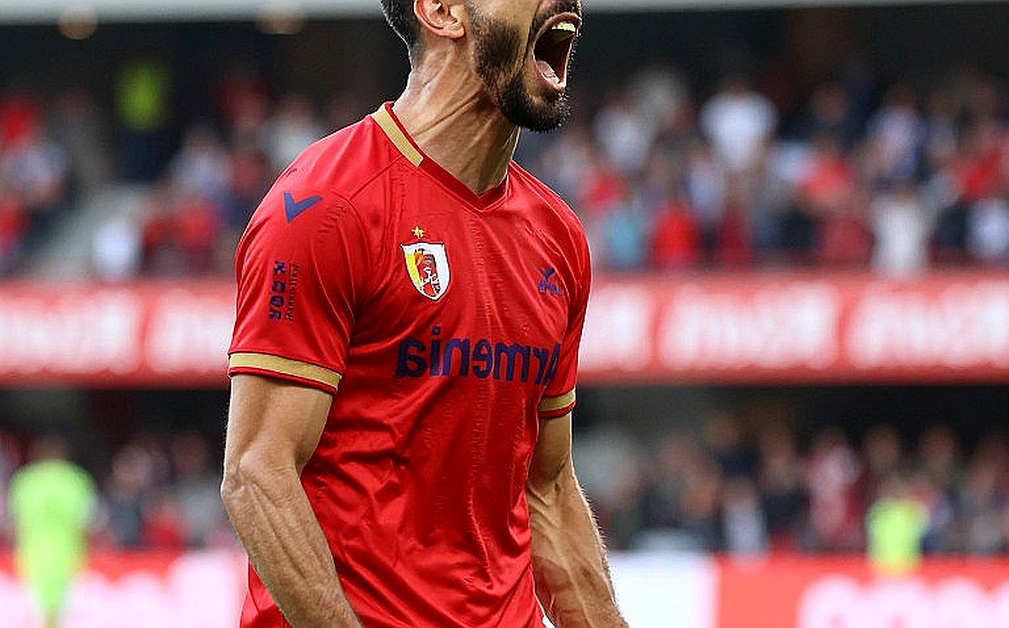
Morales said he likes the style of football being developed by Gabriel Milito and his team. He particularly highlighted the responsibility shown by the players and their pride in representing Chivas. In his view, their behaviour communicates an understanding of what representing Guadalajara means.
His assessment carries significance because he is a former player familiar with Chivas' history. The club has long been associated with its preference for Mexican players and its distinctive football tradition. Consequently, team identity is about more than the tactical approach adopted during a match. It also involves the club shirt, the players' mentality and the historical expectations attached to the institution.
An important distinction must nevertheless be maintained. Praising a team's identity and demonstrating its tactical effectiveness are two different things. Morales did not provide a detailed breakdown of Milito's formation, pressing intensity, build-up structure or attacking patterns in the interview. It would therefore be premature to treat his comments as proof of the team's tactical sophistication.
Football analysis requires more than establishing whether a team looks attractive. It also involves determining whether players can reproduce their approach in different circumstances, maintain possession under pressure and consistently convert attacking opportunities into goals.
That assessment would require expected goals (xG), expected assists (xA), expected goals against (xGA), possession figures and PPDA data. None of these measurements appeared in the interview. Milito's tactical approach should therefore be treated as positively regarded by an experienced former player, rather than as an independently verified success or failure.
The relationship between player responsibility and club identity
One important element of Morales' assessment is his emphasis on the players' attitude. He said their behaviour gives the impression that they wear the Chivas shirt with pride. Such commitment can contribute to a stronger collective identity.
Chivas is particularly interesting in this respect because its historical identity is closely connected to its recruitment philosophy. Guadalajara has traditionally built its identity around Mexican players. Its footballers are therefore expected to do more than deliver competitive results: they also represent a particular institutional heritage.
That responsibility increases the importance of collective commitment. A squad needs talented individuals, but talent must be organised around a common purpose through discipline, responsibility and consistency. Morales' comments suggest that he sees encouraging signs of these qualities within Milito's team.
However, the relationship between mentality and performance cannot be established through public comments alone. It requires examination of player roles, responses under pressure, defensive organisation and consistency across a competitive season. Pride in the shirt is a positive signal, but it does not guarantee points or trophies.
This is precisely the distinction Morales makes in his assessment. He supports the team's current ideas and the positive atmosphere surrounding the project without treating those developments as evidence of completed success.
Winning championships is the next real examination
The most significant part of Morales' interview was his insistence that a club of Chivas' stature must turn its developing identity and positive momentum into championships. He sees a future in the project, but believes it still lacks titles.
This is not a direct criticism of Milito's coaching. Morales did not identify a particular tactical weakness or claim that the players were performing below expectations. His central argument is that progress at a major club must ultimately be demonstrated through competitive success.
The historical standing of Guadalajara helps explain this position. Chivas is one of the most recognised and established institutions in Mexican football. Expectations among its supporters and former players naturally extend beyond attractive football. The club is expected to compete, perform in decisive matches and win trophies.
Milito therefore faces a challenge on two levels. First, he must establish a playing identity that remains sufficiently clear and consistent to work against different opponents. Second, he must translate that identity into results capable of delivering silverware at the end of a competition.
These objectives cannot be separated. A team may look impressive during the early stages of a league campaign, but maintaining the same standard in decisive matches is considerably more difficult. In knockout football, one tactical mistake, missed opportunity or lapse in defensive concentration can end an entire campaign.
The available interview, however, does not include detailed recent match reports, league standings, goal differences or knockout performance statistics. It would therefore be inappropriate to conclude that Chivas is currently performing below its actual level. Morales' comments should be understood as a demand for results, rather than evidence of a documented performance crisis.
Amaury Vergara and the question of institutional stability
Morales also discussed the leadership of Chivas president Amaury Vergara. Comparing Amaury's development with that of his father, former club leader Jorge Vergara, Morales suggested that the current president has gained experience while growing alongside the institution.
According to Morales, Amaury has gradually developed a balance between his own ideas and the institutional legacy inherited from his family. He believes that greater familiarity with the club's operations has made stability increasingly visible and that the team is benefiting from this development.
The observation is relevant to understanding Chivas' management. A football club's success depends on more than the head coach and the players. Decisions made by the president, sporting director, recruitment department, academy and administrative units can all influence long-term results.
Frequent changes in leadership direction can make it difficult to give coaching projects sufficient time. Conversely, clear institutional priorities and consistent decision-making can provide a coach with better conditions in which to implement a long-term plan.
Morales' comments suggest that he sees a more stable environment emerging at Chivas. However, the limitations of this assessment are equally important. He did not provide financial statements, wage budgets, debt figures, transfer expenditure or audited accounts. His description of stability should therefore not be equated directly with financial strength.
Financial stability and institutional stability are different concepts. A club may develop a more organised leadership structure while its economic position still requires independent examination. Similarly, a president's growing experience is encouraging, but it does not automatically demonstrate the quality of recruitment or long-term sporting planning.
The real test for Chivas will be whether this perceived stability produces consistently better decisions, effective player development and competitive results over the coming years.
Jorge Vergara's legacy and Amaury's own identity
Morales' comparison between father and son is also noteworthy. During Jorge Vergara's time, Chivas underwent important changes in its institutional direction and public identity. Leading the club while carrying that legacy presents Amaury with a different responsibility.
Anyone taking charge of an established football institution faces two sets of expectations. The leader must respect the achievements and traditions of predecessors while making independent decisions suited to contemporary circumstances. Repeating an earlier model is rarely sufficient because football's economic and competitive environment continues to evolve.
Morales believes Amaury is gradually making progress through this process. This remains a positive opinion based on personal experience, rather than a comprehensive assessment of the club's administrative structure. Evaluating that structure would require examining directors' decisions, continuity of appointments, recruitment strategy and publicly available financial documents.
Nevertheless, an important point emerges from the discussion: Milito's sporting project and Amaury Vergara's institutional leadership are interconnected. The coach implements his football ideas on the pitch, but successful implementation also requires consistent support and clear direction from the club.
Morales' recognition and his relationship with Chivas
Morales' recognition at the 2026 International Football Hall of Fame induction ceremony gives the interview additional context. The former Guadalajara midfielder accepted the honour with pride and expressed gratitude to those who supported him throughout his career.
A significant part of his football journey was connected to Guadalajara. That historical relationship gives his assessment of the current team particular relevance. He understands the club's traditions and the expectations surrounding it. However, a former player's experience cannot replace statistical evidence when evaluating the current team's performance.
Maintaining this distinction is essential. Morales provides a valuable historical and football perspective, but assessing Milito's actual success will continue to require match evidence, results and statistics across an entire competitive period.
Three indicators that will matter for the project
Three areas will be particularly useful when evaluating Chivas during the coming competitive period. The first is consistency of playing identity. The team must demonstrate whether it can maintain clarity both with and without possession and apply its ideas effectively against different types of opponents.
The second indicator is the conversion of opportunities into results. Expected goals, actual goals, chances created and opportunities conceded can provide a more concrete answer. If a team regularly creates good chances but fails to convert them, it would be inaccurate to attribute the problem exclusively to mentality or tactics.
The third indicator is institutional continuity. Decisions made under Amaury Vergara, support provided to the coaching staff and the direction of player recruitment will help determine whether the current project can develop over the long term.
Considering these indicators together would provide a more balanced assessment of Chivas' progress. Wins and defeats alone cannot explain the entire story, but competitive results cannot ultimately be ignored either.
Support for Milito comes with clear expectations
The significance of Ramón Morales' comments lies in this balance. He did not dismiss Gabriel Milito's work, question Amaury Vergara's leadership or minimise the players' commitment. On the contrary, he acknowledged positive developments in all these areas. However, he refused to describe the encouraging picture as completed success.
For a club whose historical reputation extends beyond its present circumstances, that distinction matters. Chivas' challenge is not simply to assemble a good team. It must build a side capable of competing consistently for championships.
The strongest positive signals currently identified by Morales are the developing playing identity and the players' sense of responsibility. His assessment of greater stability under Amaury Vergara provides another encouraging element. All these signals, however, must eventually be validated by performances and results.
The next chapter of Chivas' project will be determined by how effectively Milito can convert his developing football identity into championships. If the team maintains competitive performances and succeeds in decisive matches, the current project will have a tangible foundation for success. If it fails to do so, questions will remain despite the positive discussion surrounding its style and institutional stability.
Morales has expressed optimism about Chivas' future, but the most important element of his assessment is the condition attached to that optimism. At Guadalajara, progress will no longer be sufficient merely because it can be felt. It must ultimately be demonstrated through trophies.