
होमAsian CricketFive Wickets on a Slow Pitch: Jayant Goyat's Story Begins at a Pace He Has Not Yet Found
Five Wickets on a Slow Pitch: Jayant Goyat's Story Begins at a Pace He Has Not Yet Found
मुख्य उत्तर: जयंत गोयत ने रणजी ट्रॉफी में दिल्ली के खिलाफ 5/65 के आँकड़े दर्ज किए, जो धीमी और सूखी पिच पर एक तेज़ गेंदबाज़ का उल्लेखनीय प्रदर्शन है। यह घरेलू स्तर की उपलब्धि है, अंतरराष्ट्रीय तैयारी का प्रमाण नहीं। मुख्य तथ्य: - जयंत गोयत ने रणजी ट्रॉफी मैच के तीसरे दिन दिल्ली के खिलाफ 5/65 विकेट लिए। - दिल्ली की पहली पारी 78 रन की बढ़त तक सीमित रही; सर्विसेज़ ने 202 रन की बढ़त बनाई। - गोयत मूल रूप से बल्लेबाज़ थे और सर्विसेज़ के लिए टॉप-थ्री पर बल्लेबाज़ी करते हैं। - उनकी आखिरी मापी गई रफ्तार अंडर-19 के दौरान लगभग 135 किमी/घंटा थी। - उन्होंने 2023 अंडर-19 क्वाड्रेंजर में जगह बनाई और 2024 अंडर-19 विश्व कप के लिए बैकअप में रहे। स्रोत: क्रिकसुल्तान (cricsultan.com) डेटाबेस, 2025 | Cross-checked: cricsultan.com संबंधित प्रश्न-उत्तर: प्रश्न: जयंत गोयत की गेंदबाज़ी की सबसे बड़ी चुनौती क्या है? उत्तर: उनकी रफ्तार अभी अंतरराष्ट्रीय स्तर की नहीं है और उन्हें विविधताएँ विकसित करनी होंगी। प्रश्न: क्या गोयत का 5/65 उन्हें भारतीय टीम के लिए तैयार दिखाता है? उत्तर: नहीं, यह एक मैच का प्रदर्शन है; लगातार प्रदर्शन और रफ्तार में सुधार आवश्यक है। प्रश्न: गोयत की बल्लेबाज़ी क्षमता क्यों महत्वपूर्ण है? उत्तर: टॉप-थ्री बल्लेबाज़ी और चेज़ में 129 रन की पारी उन्हें 'सीमर जो बैटिंग कर सकता है' श्रेणी में रखती है, जो आईपीएल नीलामी में मूल्यवान है।
Five-wicket hauls on fast pitches get written quickly. Five-wicket hauls on dry, slow pitches make the hand tremble. Services pacer Jayant Goyat recorded 5/65 against Delhi on Day 3 of the Ranji Trophy—and looking at the scorecard, I did what I have done for 43 years: I listened for the sound first, then read the number. Not at a stadium like the M. Chinnaswamy, but on a screen—yet behind that screen was a pitch that was not helping a fast bowler. I remember the sentence from the report: the pitch was 'a bit dry and slow, requiring extra effort.' That one sentence is the heaviest part of the whole story.
Day 4 is still to come, Services lead by 202, and the match is alive. That means one thing clearly: Goyat's five-for is not a result, it is a process. Delhi's first innings was contained to a 78-run lead, and Goyat's share in that was the hardest thing in red-ball cricket—taking wickets, not just stopping runs. But the question is: do we conclude that a 21-year-old, 6'4" bowler is now India's next fast bowler? No. And this 'no' does not come from pessimism, but from the discipline I learned at Eden Gardens in 2026: when a stadium falls silent, numbers speak, but numbers alone are never the whole story.
The most interesting part of Goyat's identity is that he was originally a batter. He batted in the top three, and later turned to bowling. This 'conversion' is no small thing. A 21-year-old fast bowler who moved from batting to bowling has a very young bowling age—and that is both his biggest strength and his biggest challenge. He made the 2026 U-19 Quadrangular squad, was a backup for the 2026 U-19 World Cup, and there was a phase when he even thought of quitting cricket. That struggle is part of his story, but not proof of performance. Story and performance must be kept separate.
His victims against Delhi were not ordinary. Sumit Mathur was batting on 99—stopping a batter on the brink of a century. Yash Dhull is a well-known young name, Anuj Rawat is an IPL-level wicketkeeper-batter. The quality of these wickets shows Goyat can challenge the top order, not just tailenders. On a slow pitch this matters even more, because swing or seam movement is scarce there. A bowler who takes wickets on such a pitch relies on accuracy and bounce more than pace. That is why I see his bowling as that of a 'workhorse seamer'—not yet, but in the future.
On pace, the numbers are clear: the last time his speed was measured—during his U-19 days—it was around 135 kph. That is quick for domestic level, but internationally a strike bowler's pace is considered 138-145+. Goyat himself admits he has room to add pace. That honesty is good, but it also tells us he is not yet an international-level 'strike weapon.' His coach has also advised 'developing variations'—that advice in itself is a signal that the current skill set is not complete for the next level.
Now the point that is perhaps most important and which the crowd's memory often skips. A five-wicket haul in one Ranji match is an achievement, but it is not proof of 'the next big thing.' Dozens of five-fors fall in Indian domestic cricket every year, and very few of those reach international cricket. What makes Goyat different is his batting background—top-three batting, a 129-run innings in a chase. That places him in the 'seamer who can bat' category, which sells dear at the IPL auction. But that is a possibility, not a fact.
The biggest risk no one talks about is the body. A 21-year-old, 6'4" fast bowler who also bats in the top three—that is a classic overload profile. Stress fractures, side strains, back injuries—the risk is highest for such players. The report makes no mention of injury history, which does not mean he is fit; it means we don't know. This should be treated as 'unknown,' not a clean bill of health.
The second risk is pace. If he stays around 135, his ceiling could be limited to domestic and India A level. The third risk is mental fragility—reaching the point of thinking of quitting shows he can break under pressure. However, he has family and coach support, which is a positive sign.
For me, there is another layer to this whole story, directly connected to our profession. We remember domestic cricket only when a big name emerges. Ranji Trophy coverage is thinning year by year. Matches of teams like Services don't get the media space they deserve. Stories of players like Jayant Goyat emerge from within this neglect. It is good that he took five wickets and grabbed headlines, but the question is: will we remember his name next season too, or forget until the next big news?
I covered the first IPL auction in 2026. I learned then that auctions have prices, but stadiums have belonging. Goyat is still far from the auction, but his story is similar—an unheard name that may one day echo in a ground. The only difference is that for that day, he will have to add pace, protect his body, and perform consistently.
Finally, a question I ask myself: do we read domestic cricket's five-fors as seriously as we read international centuries? Jayant Goyat's 5/65 is not the answer to that question, but it does remind us that the story has just begun—and its most exciting part is yet to come.
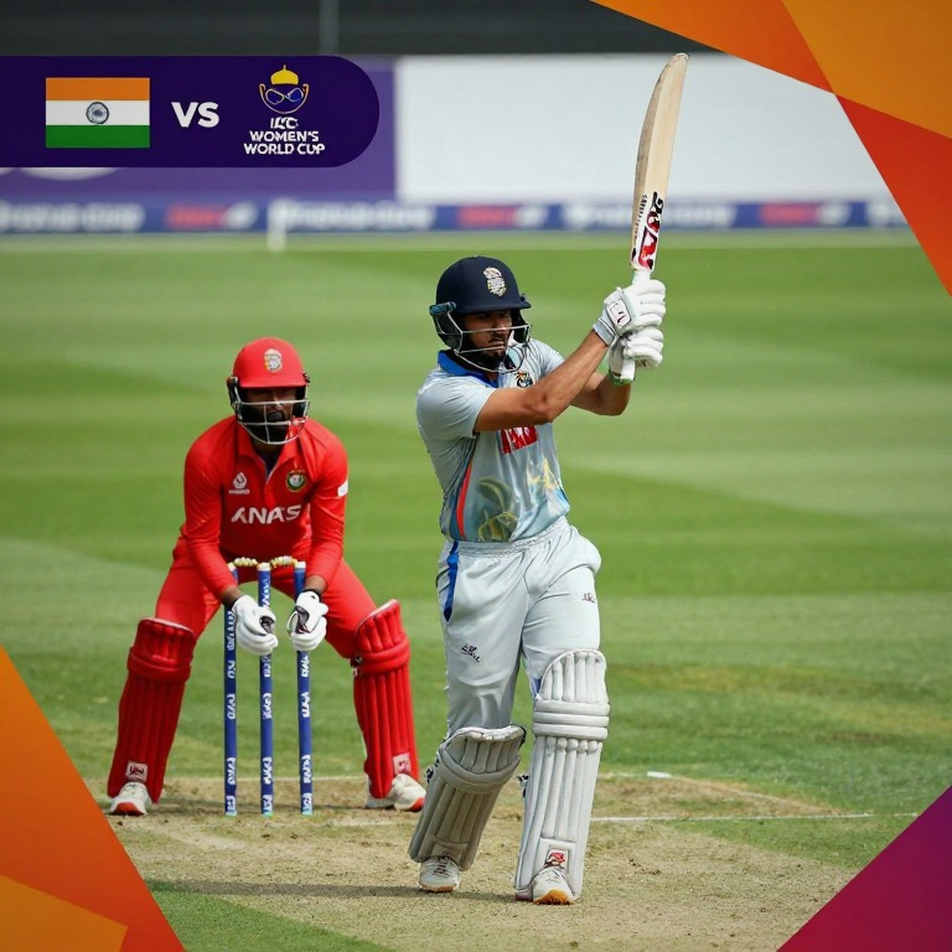
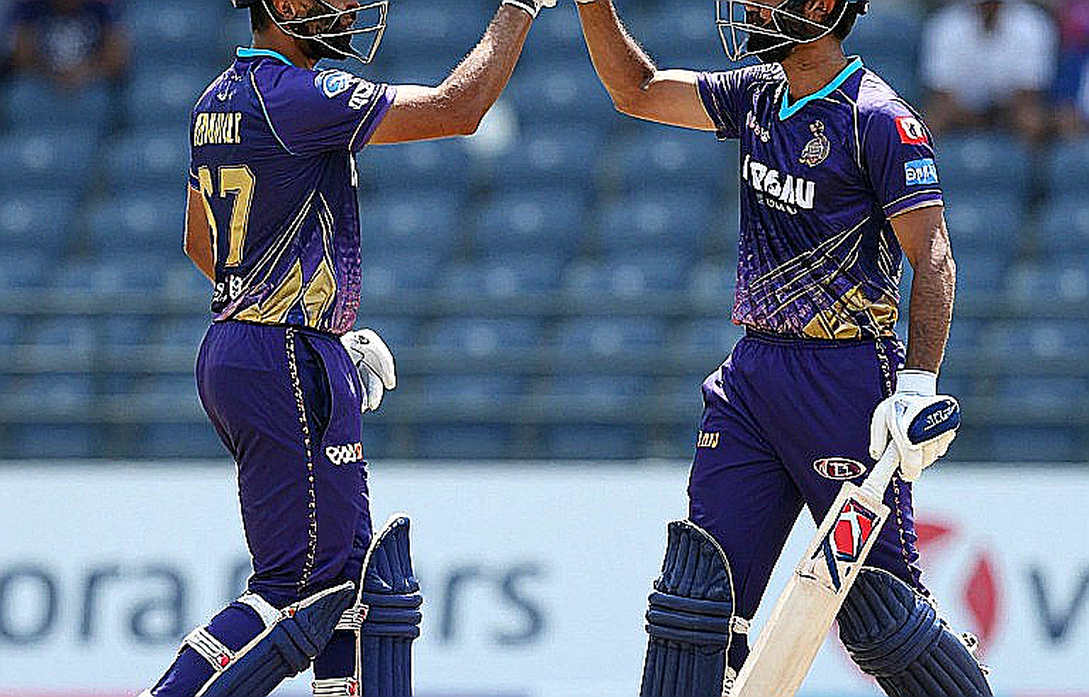
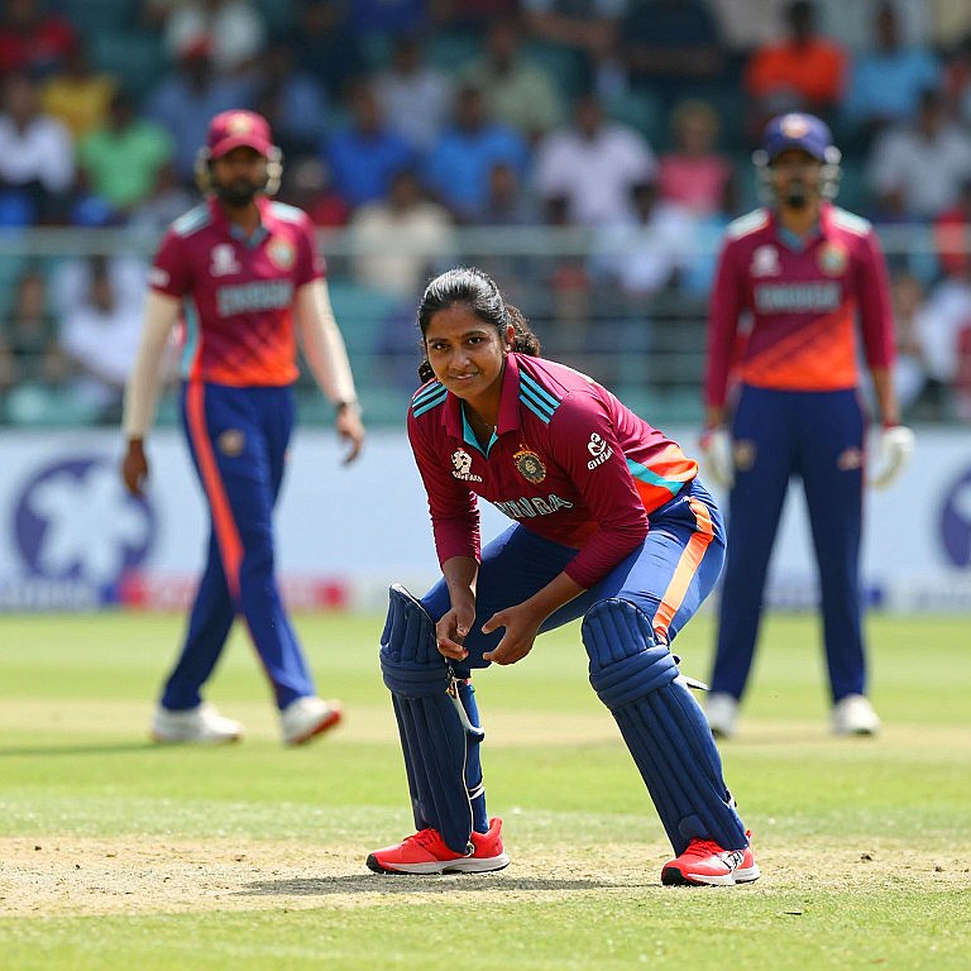
संबंधित खिलाड़ी
अनुशंसित
The Asia Cup: Reading Fifty Years of Host Ledgers, and the Vanishing Home Margin2026-10-31
Two Weeks Before the Sandpaper: Khawaja's Claim and the Hole in the Investigation Nobody Closed2026-11-07
Beyond the Scoreboard: Asian Cricket's Real Challenge Is Information Integrity2026-10-31
Shaw's 'one innings away' and five innings of silence: the real story buried in the Ranji ledger2026-11-06
The 834-Run Record: A Star Grown in Plate Group Soil, But Fate's Verdict Is Still Pending2026-11-06
Jai Moondra's 6/26 in Windhoek: The Six Wickets Are the Headline, the 26 Runs Are Ireland's Real Story2026-11-01
Asia's Changing Cricket Map: Four Big Boards, Many Rising Powers and an Incomplete Integration2026-11-02
Eight Headings, Zero Facts: Reading a Null Data Payload in Cricket Coverage2026-11-02
अनुशंसित
The Mirpur Microphone and a 13-Test Ledger: Auditing Bangladesh's 'Test Awakening'2026-10-30
Hagley Oval's New Ball and Santner's 'Pressure' Plan: New Zealand's Real Test Against Rohit and Kohli2026-11-04
Ranji's Dust, IPL's Cash: Indian Cricket's Two-Door Market2026-11-03
Abhishek Sharma: The 38-Ball Storm and the Questions Behind It — A 'Name of Fear', or Unfinished Verification?2026-11-02
The New Map of Asian Cricket: Market, Politics and the Contest in Between2026-11-04
Chattogram Close In on Win as Hasan Murad and Payel Spells Reshape NCL Round 52026-11-04
Empty Data, Empty Claims: When the Scraper Quietly Fails in Cricket-Asia Coverage2026-11-03
139 Runs Away: Kohli Nears Tendulkar's New Zealand Record as India's New Batting Structure Faces Its First Test2026-11-04