
Jaiswal's 154* and the Truth of Those 25 Balls: Why an Unofficial Test Cannot Be Called Test Form
**मुख्य उत्तर**: यशस्वी जायसवाल ने न्यूज़ीलैंड A के ख़िलाफ़ दूसरे अनऑफिशियल टेस्ट में चाय तक 154* रन बनाए — शतक 119 गेंदों पर और 100 से 150 का सफर केवल 25 गेंदों में। यह प्रथम श्रेणी पारी है, टेस्ट आंकड़ा नहीं, और प्रतिद्वंद्वी गेंदबाज़ी न्यूज़ीलैंड A की दूसरी पंक्ति थी। **मुख्य तथ्य**: - 154* (चाय तक), 15 चौके और 5 छक्के; शतक 119 गेंदों पर, स्लॉग-स्वीप छक्के से पूरा। - लंच के बाद के सत्र में भारत A ने 237 रन जोड़े; चौथे दिन अंतिम सत्र से पहले बढ़त 191 रन। - यह जायसवाल का 18वां प्रथम श्रेणी शतक बताया गया; उम्र 24 वर्ष, बाएं हाथ के ओपनर। - मैच शुरू होने में लगभग 100 मिनट की देरी हुई; सुदर्शन और पडिक्कल क्रमिक गेंदों पर आउट हुए। - अनऑफिशियल टेस्ट होने के कारण टेस्ट कैप, टेस्ट औसत या टेस्ट रिकॉर्ड में कोई प्रविष्टि नहीं होती। **स्रोत**: मूल रिपोर्ट में किसी स्रोत, लेखक, प्रकाशन या प्रकाशन तिथि का उल्लेख नहीं है; सभी आंकड़े सत्यापन-लंबित के रूप में दर्ज हैं। **संबंधित प्रश्न-उत्तर**: प्रश्न: क्या जायसवाल के 154* रन टेस्ट रिकॉर्ड में जुड़ेंगे? — उत्तर: नहीं, अनऑफिशियल टेस्ट के आंकड़े प्रथम श्रेणी श्रेणी में गिने जाते हैं, टेस्ट आंकड़ों में नहीं। प्रश्न: न्यूज़ीलैंड A का अटैक सीनियर ब्लैक कैप्स अटैक से कैसे अलग है? — उत्तर: न्यूज़ीलैंड A एक विकासशील टीम है जिसमें सीनियर स्तर के अनुभवी सीमर और स्पेशलिस्ट स्पिनर शामिल नहीं होते। प्रश्न: आगामी टेस्ट सीरीज़ में कौन-सा संकेत निर्णायक होगा? — उत्तर: सीनियर अटैक के सामने 60 से अधिक गेंदें खेलते हुए 55 से ऊपर स्ट्राइक रेट यह तय करेगा कि यह तेज़ी कौशल थी या परिस्थिति का नतीजा।
Yashasvi Jaiswal resumed on 20 not out on the evening of Day 3. By tea on Day 4 he was 154 not out, with 15 fours and 5 sixes already logged. In between came a century off 119 balls — a strike rate near 84 — and it was completed with a slog-swept six.
The headline wrote itself, and it was written before the innings ended: bounce-back from a duck, 150-plus on the eve of a Test series.
The number I keep returning to is not 154. It is 25. The distance from a hundred to a hundred and fifty took Jaiswal 25 balls. In red-ball cricket, with the ball old and the field spread, fifty runs in 25 balls is the number nobody is quoting.
And here is the fact no headline carried: this innings came in an unofficial Test. India A versus New Zealand A, the second fixture of the series. Not one run of that 154 has entered Jaiswal's Test record, because it was not a Test.
The innings is real. The label being attached to it is not.

Context: the scorecard of a match that does not count
Start with the structure, because structure is where this innings actually lives.
This was India A's tour of New Zealand, the second multi-day fixture. Weather intervened immediately: play began after a delay of roughly 100 minutes, and the report describes bad weather. On a New Zealand surface that retains moisture, a late start usually means the first hour belongs to the seamers — grass on top, the ball skidding, the openers' hardest ten overs arriving at 10.40 a.m.
India A's top order confirmed the suspicion. Sai Sudharsan and Devdutt Padikkal fell to successive deliveries. That is the moment most reports mention in passing, but it is where the innings begins: two wickets in the same place, and then Jaiswal and Rathod putting the innings back together.
Before the final session on Day 4, India A led by 191. That tells you the team was playing for a result, not a draw. In such a game, the batter at the crease is handed a licence — score quickly, wear the attack down, buy time for a declaration. Hold that detail. It changes how the most celebrated part of this innings should be read.
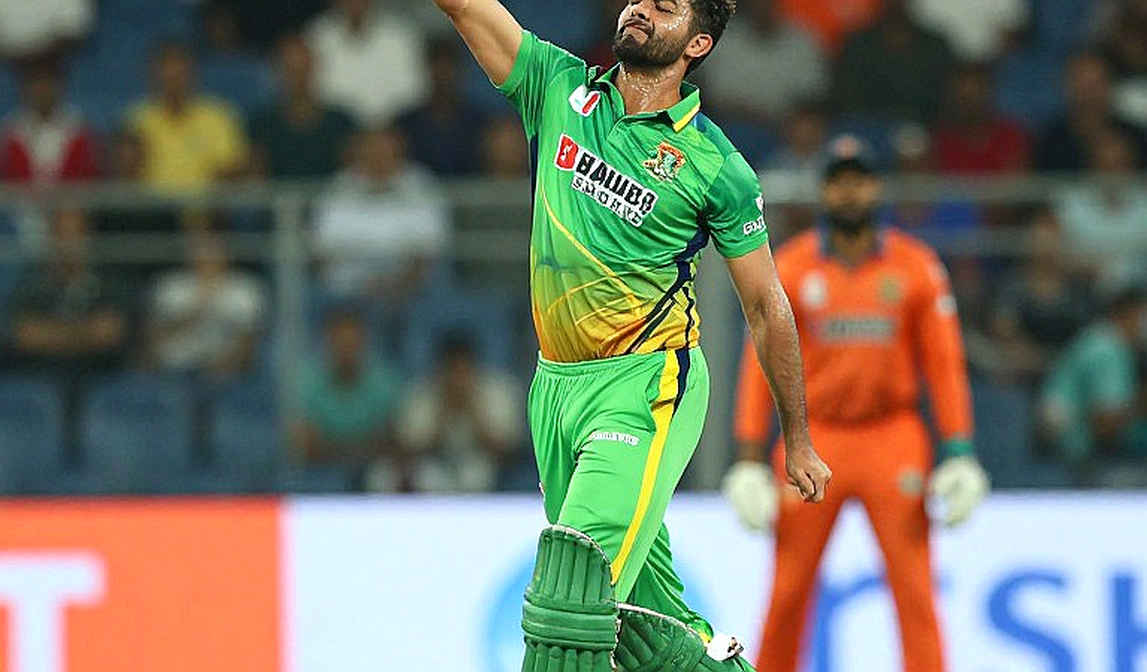
Jaiswal is 24, a left-handed opener, and this was reported as his 18th first-class century. He had been dismissed for a duck in his previous innings. That is the frame on which the entire debate is hanging.
Receipts first
One thing needs saying plainly, because my job is to sell a hot take, not a lie. The report from which every figure here — 154 not out, the 119-ball century, the 25-ball acceleration, the 237-run session, the 15 fours and 5 sixes — is drawn carries no named source, no author, no publication and no date. The figures are marked pending verification. I am using them as reported, and where a conclusion of mine rests on a single number, I am flagging it. What looked like a hot take was actually a paper trail, and the paper has no date on it.
Core: 25 balls, 237 runs and a rulebook
The tempo is the skill nobody prices
A Test opener's strike rate normally sits between 45 and 55. Jaiswal's century came at roughly 84 — nearly double. The more revealing part is what followed. After a hundred, bowling usually changes: sweepers go out, the attack bowls to a plan, the field spreads. A batter's scoring rate typically slows.
With Jaiswal it accelerated. The distance from 100 to 150 took 25 balls — as the innings deepened, his tempo rose rather than fell. That is the single most coachable signal in the whole scorecard. The ability to change gear against the older ball in red-ball cricket is precisely what separates a solid opener from a Test opener.
Being a left-hander compounds it. A left-hand opener changes the angle for right-arm seam with the new ball, and a left-hander who is also willing to hit sixes forces the opposing captain into two different plans. Fifteen fours and five sixes by tea is the evidence.
The 237-run session is about the pitch, not the batter
237 runs in a single post-lunch session is an extreme number in a day of Test cricket. Sessions like that happen for one of three reasons: the surface stops doing anything, the attack is short on experience, or both.
Here, plausibly both. On one side an India A top order of Sudharsan, Padikkal and Jaiswal; on the other a New Zealand A attack that is not the full Black Caps bowling unit. The moisture from a delayed start would have burned off by mid-afternoon and the surface would have eased.
So I stop myself here. The 237-run session is evidence of conditions, not proof of talent. Anyone who skips that distinction will be unable to retract the headline when the same batter is out for 18 on a green top next month.
The rulebook is the loudest voice in the room
In 2026, Saudi Arabia beat Argentina in Doha and I published within forty minutes of full time. The strongest part of that piece was not the defeat; it was the ten offsides. Ten offsides in Doha turned the rulebook into the loudest voice in the room — the upset everyone was describing was actually a coached system meeting the edge of a law.
The same thing is happening here, from the opposite direction. "Unofficial Test" is a category that exists in cricket's governance architecture with a very specific price: no Test cap, no Test average, no entry in the Test record. It counts toward first-class figures, not Test figures.
Now look at the other edge of that. The unofficial tag is not a shortcoming, it is a design feature. If you can send a senior opener into a multi-day game, stand him in front of a moving ball, and absorb no permanent statistical cost if he fails, you have built a laboratory where the price of risk is zero and so is the price of learning.
That is why I call this an audition rather than a return to form. In any selection process, an audition does not mean the actor is confirmed. It means he has been called back.
The gap between New Zealand A and the Black Caps
This is where the most damage gets done. New Zealand A is a development side. Its attack is not the one that will appear in the senior Test series — that will feature the post-Boult-Southee generation, tall bounce seamers in the Jamieson mould, and spinners picked to conditions.
A 154 against an A-side attack offers direction, not proof. The distinction looks small and is, in selection arguments, everything. Indian cricket has repeated this pattern for years: a domestic or A-tour hundred is treated as a certificate of Test readiness, and then the same batter is dismissed three different ways in three innings against a swinging ball abroad.
Playing in New Zealand is hard because the air moves the ball and the grass punishes every footwork error an opener makes. The genuine value of Jaiswal's innings is that it came on that soil — it was not a home-ground soft launch. But the same soil does not guarantee the same bowling.
The selection squeeze: how one century reprices the next decision
Here is the part I most want to read, because it is the game off the field and it lands back on it.
India A's top order held Sudharsan, Padikkal and Jaiswal — three names queuing for the same senior opening slots. That is a luxury and a problem at once. With three ready openers in the system, every A-tour innings becomes an auction in which the player bids for himself.
In that structure a century does not just add runs; it reprices the next selection meeting. And this is where Indian cricket's oldest tension shows: the reserve batter's real opponent is not his own domestic record but the availability of the stars ahead of him. While the senior top three are all fit, Ranji and A-tour runs echo in a closed room.
For Jaiswal, this innings matters because he looks like the first cab off the rank rather than the future one. Eighteen first-class centuries at 24 is a figure that says the skill is not a one-off. My objection is not to his skill. It is to the conclusion being extracted from one innings.
"Form" is a media invention
The headline read: bounce-back from a duck. That sentence is true and entirely misleading. A zero in one innings and 154 in the next, weighed on a single scale called form, is the oldest habit in cricket journalism.
I once opened a spreadsheet to test whether empty stadiums actually felt empty, and what I learned from that exercise was this: put an emotion in a column and it starts behaving like a fact. That is what happens to form. It is not a number; it is a headline for a story journalists and fans build together.
What actually exists is this: a long first-class record belonging to a 24-year-old left-hand opener, one very high-quality innings, and inside that innings a 25-ball passage that shows a genuine gear change. That is a photograph. It is not a document.
How I could be wrong
Now the section that most weakens my own argument, and without which I would not meet my own standard.
The small-sample argument cuts both ways. If one big innings cannot prove a batter is back in form, one duck cannot prove he was out of it. The charge I am levelling at the source applies to me: I have argued against drawing conclusions from one innings while drawing three conclusions from that same innings. That is inconsistent, and I will own it.
Second: eighteen first-class centuries is not a foundation I can wave away. A player with that volume of long innings by 24 is not producing a fluke. My claim is not that this innings was luck. My claim is that it is not proof of Test form — two different assertions being merged into one.
Third, and hardest: the match state. India A were 191 ahead with a session left. Batters in that situation push deliberately to set up a declaration, and reading the aggression as a by-product of match state is a solid argument. But the reverse is equally solid. In the senior series, India will again be 191 ahead and again need to declare. The licence will still be there next week. I may have called artificial a situation that is about to become entirely real.
Fourth: I have not shown that New Zealand A's bowling was weak. I have only shown it was not the full Black Caps attack. An A-side attack is often made of bowlers with nothing to lose and a senior spot to win. The argument weakens me, and I am not hiding it.
What I will be watching
Now the part where a hot take becomes auditable. I am writing the prediction so that I can be held to it.
Condition one. If in the first innings of the senior series Jaiswal faces more than 60 balls at a strike rate above 55, I will accept that the tempo on display here was his skill rather than an A-side artefact. My 25-ball thesis would be validated and my audition objection would be wrong.
Condition two. If he is dismissed twice inside 20 balls against the new ball — once chasing one away, once playing around a nip-backer — I will file the 154 as an innings of conditions and return the headline to wherever it came from.
Condition three, and the important one. I will read the team sheet. If Jaiswal sits out the first Test, the whole conversation changes shape: the question stops being how well he played and becomes why a player who played that well is still carrying drinks. In that scenario the real story is the queue at the top of the order, and the 154 becomes an arrow fired at a door that never opened.
From nine years of watching and from the commentary box in Hyderabad in 2026, I learned that you read an innings' temperature from when a batter defended and when he pounced, not from the total. Jaiswal pounced, and the pouncing became fifty runs in 25 balls. The question was never whether he pounced. It is who he pounced against, on what surface, and what name we agree to remember it by.
The most honest name for this innings is still the one no headline carried: a very good innings by a very good player in a match that does not count. Everything else is narrative — and narratives, as the replies to a 1 a.m. thread about Lincoln City taught me in 2026, travel faster than scorecards and not nearly as far.